
Last updated November 22, 2026
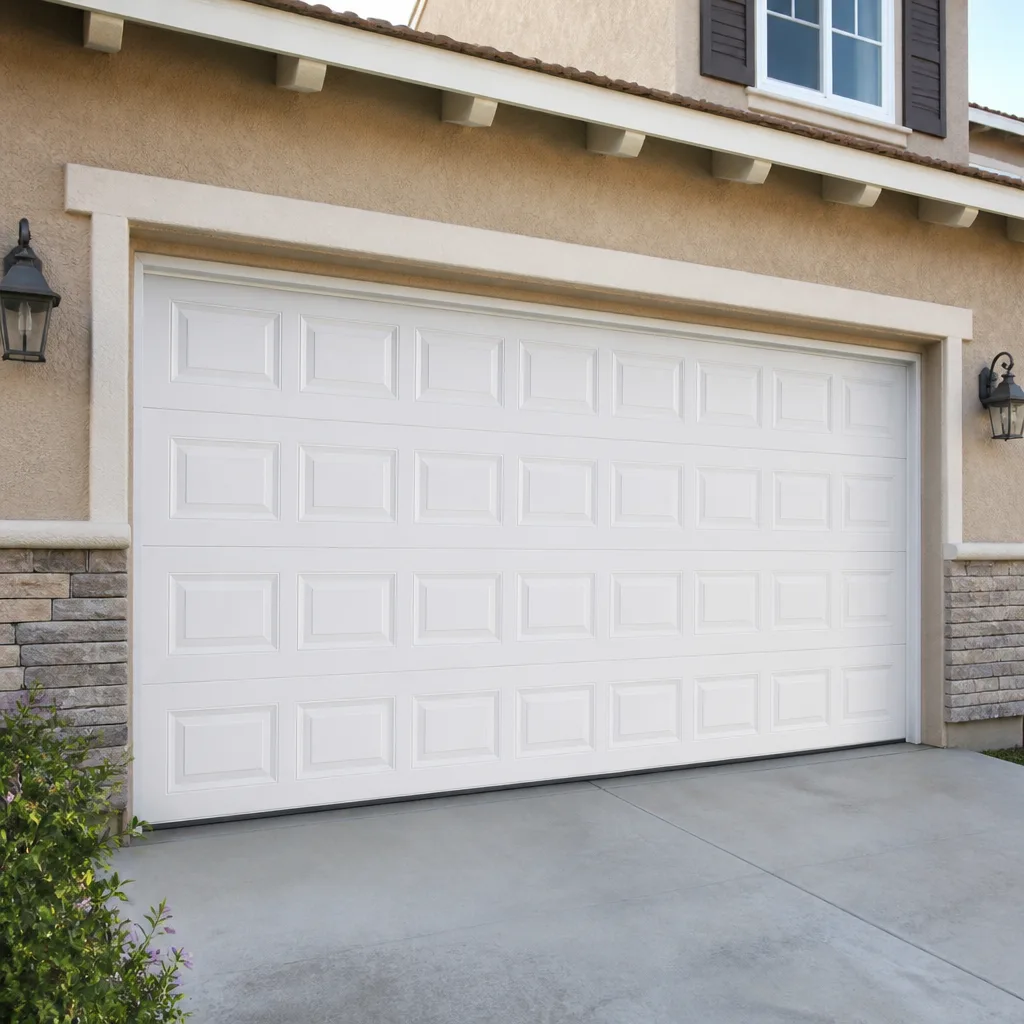 Raised-panel steel
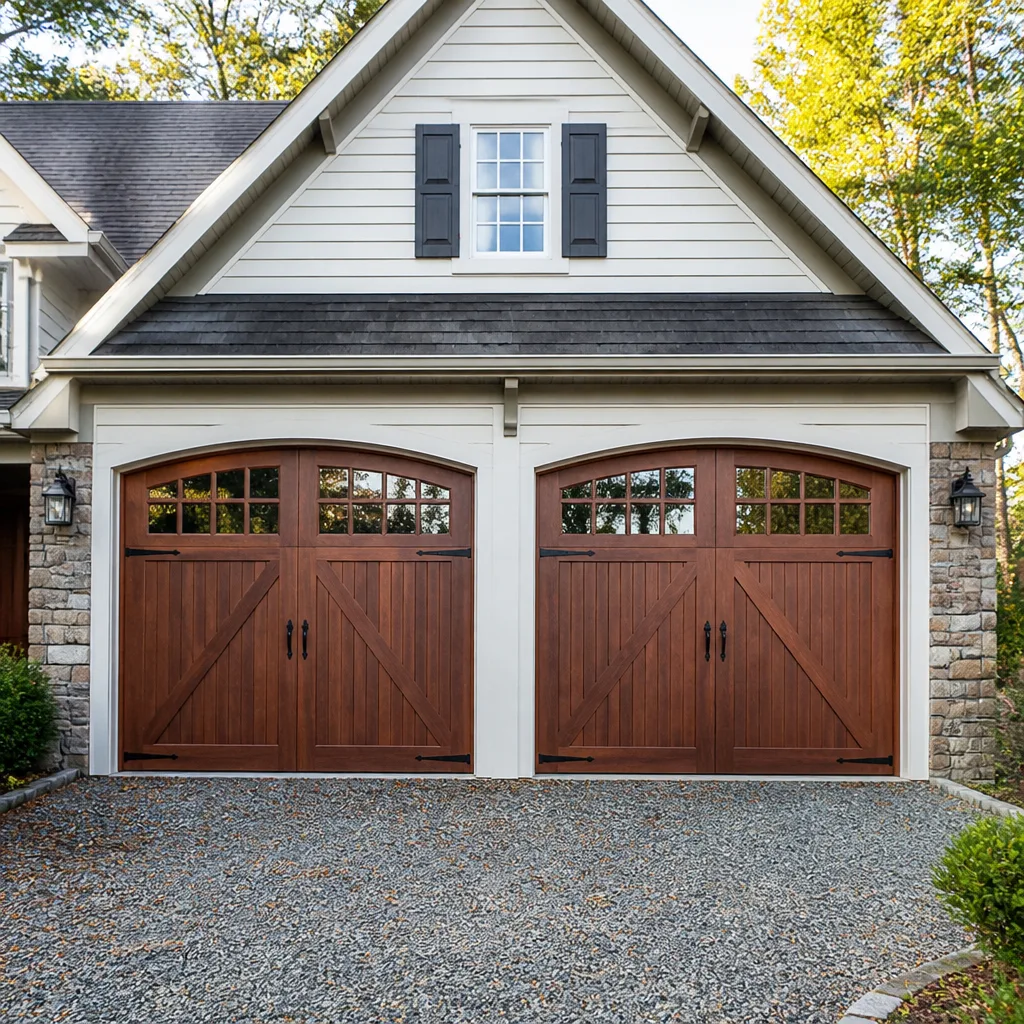 Carriage house
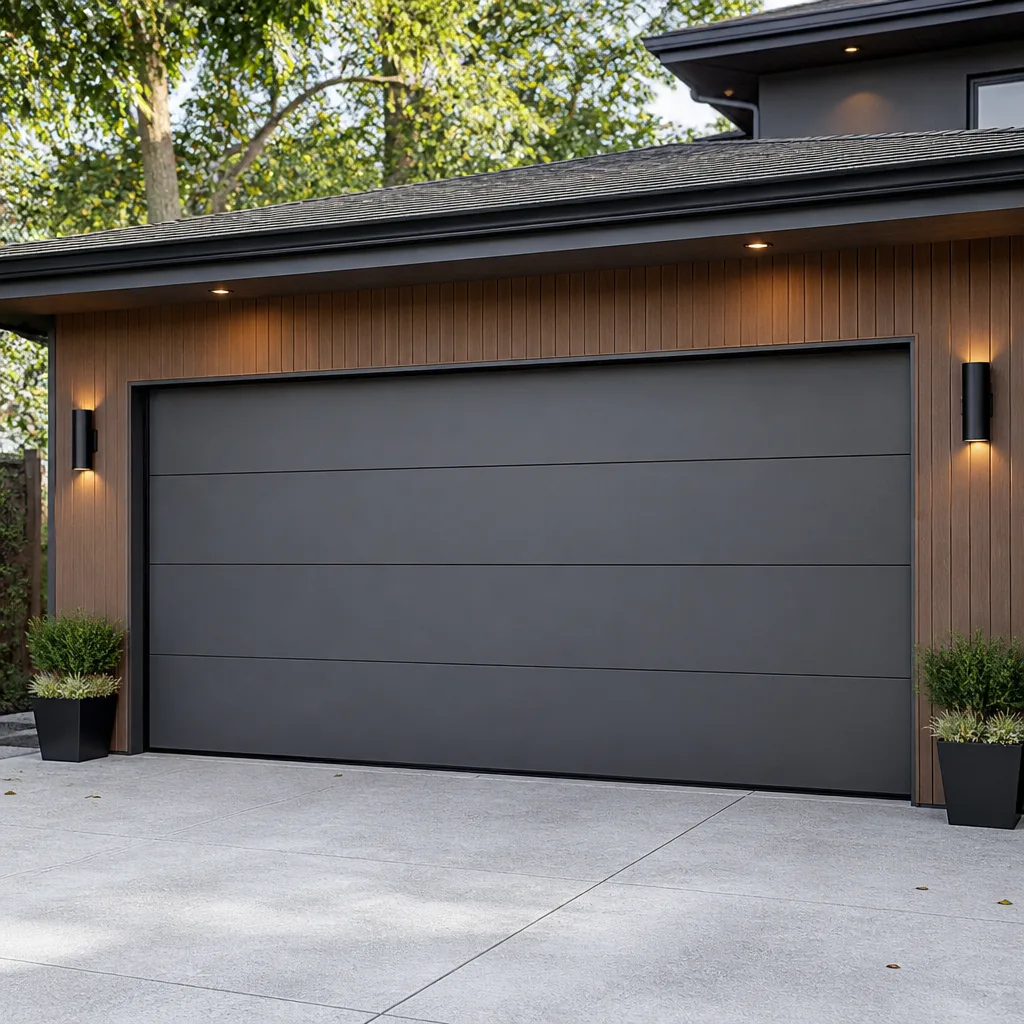 Modern flush
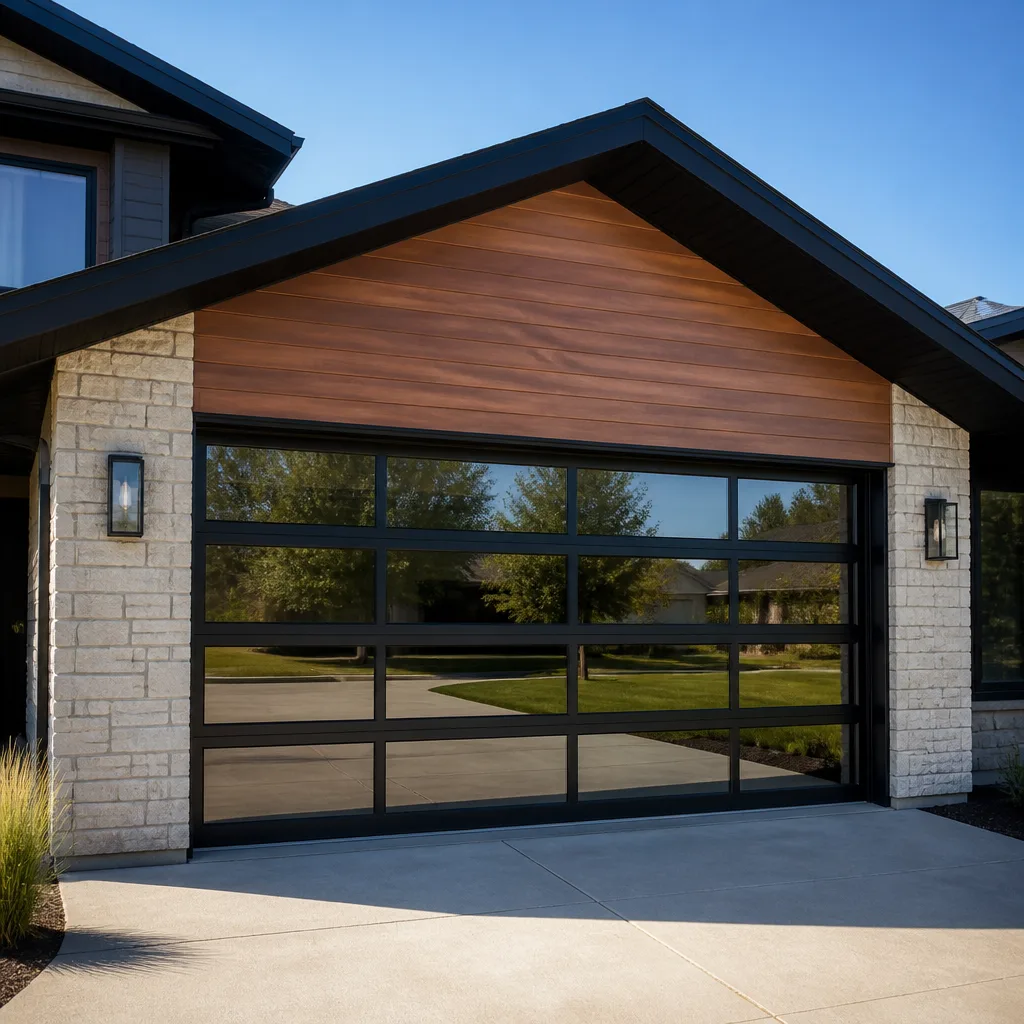 Full-view glass
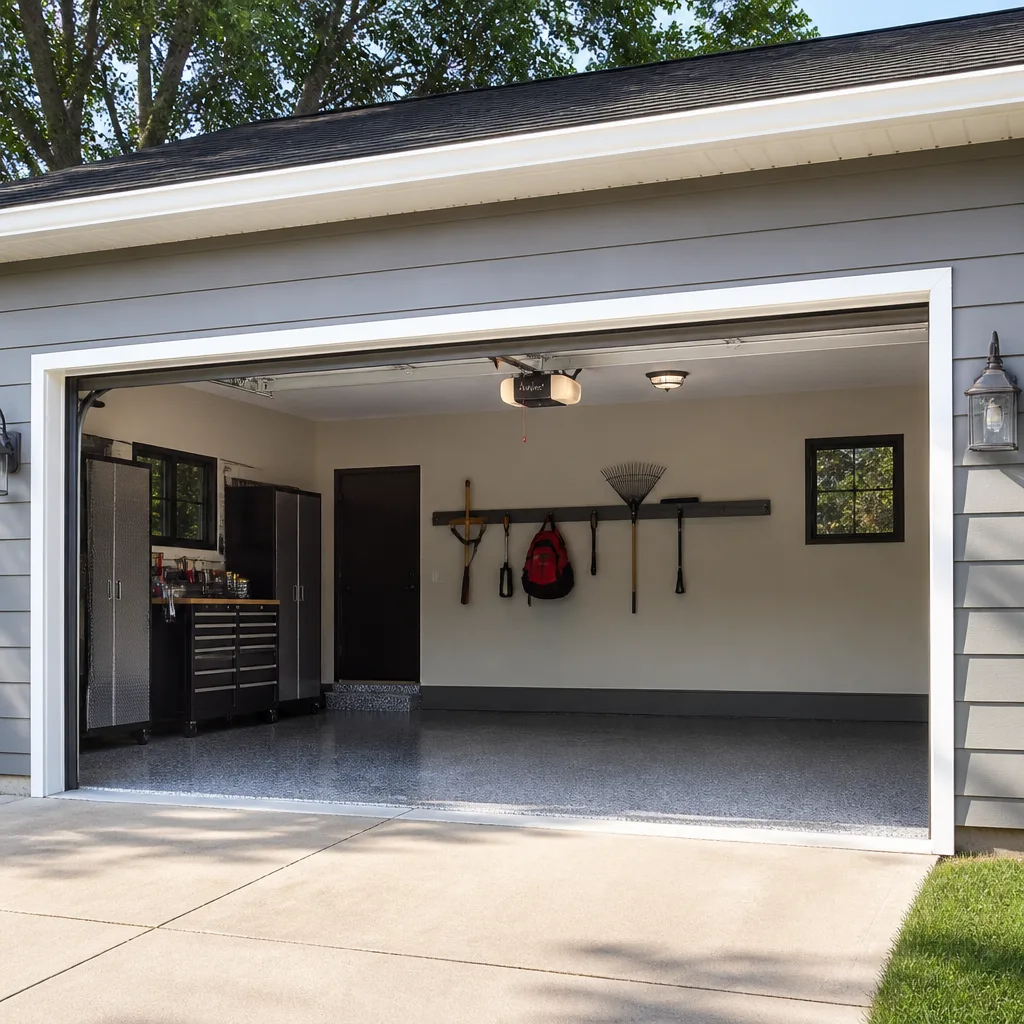 LiftMaster openers
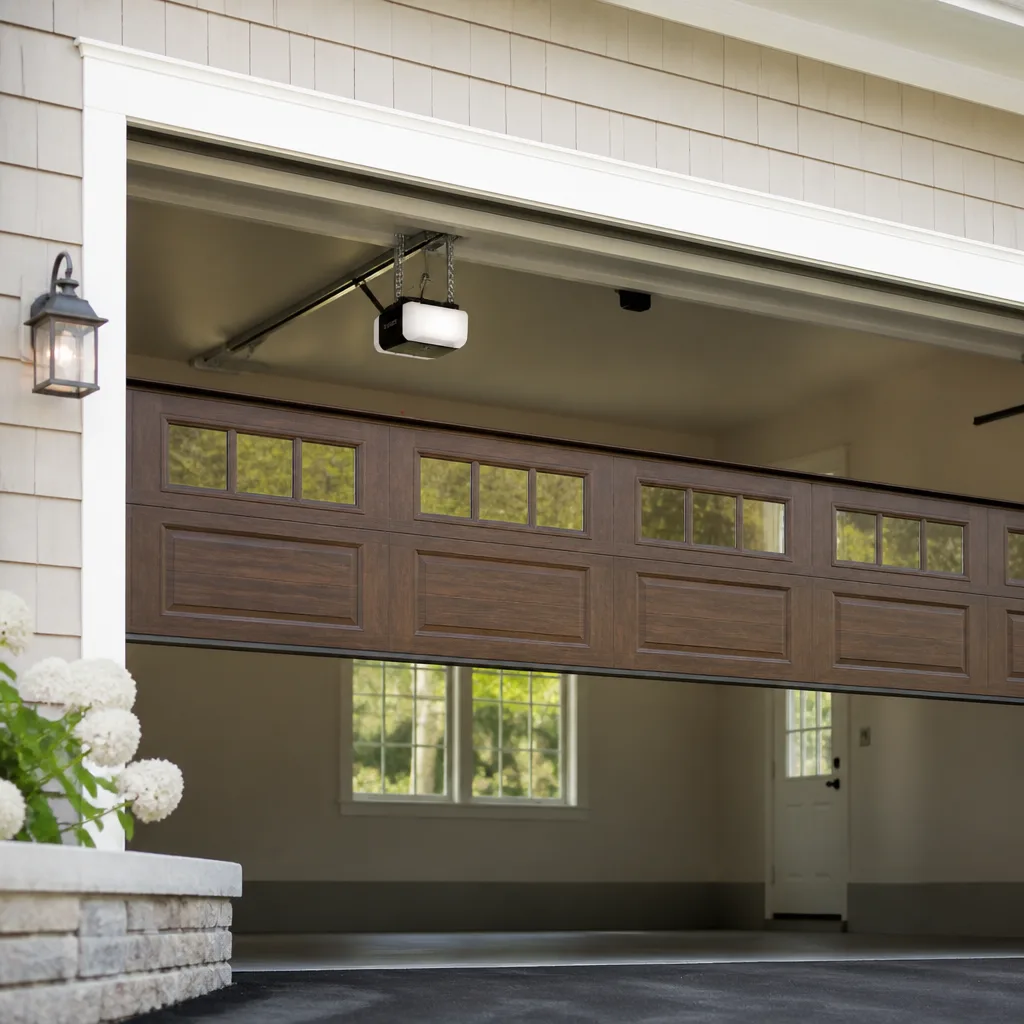 Chamberlain openers
Full 25-point door and opener safety check with every visit - springs, cables, rollers, tracks, and your LiftMaster or Chamberlain opener included
You get a price before we start. It does not change when the pro arrives.
Get your free estimateGarage Door Permits, Codes & Inspections in Shore Acres, FL: What You Need to Know
Most homeowners assume a garage door swap is minor work, the kind of job that doesn’t involve the building department. In Shore Acres, that assumption can cost you far more than a permit. Pinellas County treats a door replacement as a structural change to a wind-rated building assembly, and the paperwork around it is what proves the work meets code. Skip it and you may still have a working door, but you may not have a documented one. This guide walks through when a permit is required in Shore Acres, what inspectors look at, how flood zone designations change the picture, and where homeowners get tripped up.
Quick Answer
In Shore Acres, replacing a garage door almost always requires a Pinellas County building permit because the door is part of your home’s wind-load envelope under the Florida Building Code. Repairing hardware, springs, tracks or an opener generally does not. Whether your property sits in an AE, VE or X flood zone affects what the installer must show, and the inspection that follows is what puts the door on record.
Styles & brands we work with
- Raised-panel steel
- Carriage house
- Modern flush
- Full-view glass
- LiftMaster openers
- Chamberlain openers
Table of Contents
- Does a Garage Door Need a Permit in Shore Acres?
- Repair vs. Replacement vs. Opener Work: What Needs a Permit
- Wind-Load Requirements and What “Design Pressure Rated” Means
- Flood Zone Designations, Elevation Certificates and Your Door
- The Inspection Process: What Inspectors Check
- What Happens to Your Insurance if You Skip the Permit
- How to Choose an Installer Who Handles the Paperwork
- How the Shore Acres Climate and Housing Stock Affect Door Work
Does a Garage Door Need a Permit in Shore Acres?
Replacing a garage door in Shore Acres usually requires a permit from Pinellas County. The door is not just a moving panel; on a home in a wind-borne debris region it is part of the building envelope that the Florida Building Code regulates, and the county wants documentation that the assembly you’re installing meets the required design pressure. A like-for-like cosmetic change to a non-rated door in some non-flood, non-wind-rated situations may fall outside the permit line, but here the safer assumption is yes, and the cost of confirming is one phone call to the county’s building department.
The confusion comes from a simple fact: a garage door contractor and a garage door repair technician do different categories of work. Repairing a broken torsion spring or replacing a worn roller is maintenance. Installing a new door, changing door size, altering the opening, or swapping a door with a different rated pressure is construction. Pinellas County treats those two as separate categories, and so should you.
- Full door replacement: permits required in nearly all Shore Acres cases.
- Changing the width or height of the opening: permits required, plus a design review if the structural header is affected.
- Swapping a rated door for an unrated one: permits required, and usually not allowed if the home’s design pressure requires a rated assembly.
- Spring, roller, cable or track repair: no permit needed, but safety-critical work.
- Opener replacement: usually no permit, though electrical work to add a circuit falls under a separate electrical permit.
If you’re not sure which category your job falls into, ask before you sign anything. The county’s building department is the only authority that can tell you with certainty, and a quick call now saves a scramble later. Our own approach when we quote new door work in Shore Acres is to tell homeowners up front which permit will be pulled so there are no surprises; more on how we handle that below.
Repair vs. Replacement vs. Opener Work: What Needs a Permit
The permit question hinges on whether you’re altering a regulated building assembly. Anything that changes the door in a way the code tracks needs a permit. Anything that restores an existing installed door to its original function usually does not.
No permit required (typically)
- Replacing springs, cables, rollers, hinges, or brackets
- Straightening a bent track or re-aligning a door that came off its rails
- Replacing a garage door opener with a new unit of the same type
- Replacing weather seals along the bottom or sides
- Replacing a remote, keypad or wall button
Permit required (typically)
- Installing a new garage door, including a like-for-like swap when the door is part of the wind-rated envelope
- Changing door size, opening height or width
- Adding a garage door to a wall that didn’t have one
- Altering or reinforcing the structural header above the opening
- Changing the type of door, such as moving from a non-rated door to a rated impact assembly
The line that catches most homeowners is the like-for-like swap. Even when the door looks identical from the street, the replacement unit’s design pressure rating and installation details must be documented so the county can sign off. In Shore Acres, where the housing stock includes many block homes built decades apart, we’ve seen plenty of garages where the original door carries no rating label and the county requires an upgrade once it’s touched. That’s not a technicality; it’s the code catching up to a door that was never built to current standards.
Opener work is a separate category. Swapping a LiftMaster or Chamberlain unit in the same position doesn’t usually require a building permit, but if you’re adding a new electrical circuit or modifying the wiring, a licensed electrician pulls a separate electrical permit. Replacing a Genie opener or a Clopay door and keeping the same circuit is straightforward repair. When in doubt, we confirm with the county before we schedule anything. If you want to understand what the repair side covers in detail, our garage door repair page walks through what’s considered service work versus construction.
Wind-Load Requirements and What “Design Pressure Rated” Means
Florida Building Code Section 1609 sets the wind-load provisions that govern how a building and its components resist wind. For a garage door, that means the door and its anchoring must be rated to a specific design pressure, and that rating is expressed as a label on the door itself. A design-pressure-rated door has been tested to hold up under a defined wind load without failing, and the installation details (bracket spacing, anchor type, jamb condition) matter as much as the door.
What that means for a Shore Acres homeowner is practical. When you buy a replacement door, the label on the door and the installation instructions specify the required anchors and fastening pattern for your design pressure. If the installer uses generic brackets or short-anchor screws because they were on the truck, the door is not installed to its rating, even if it works. That’s the gap inspectors look for, and it’s the gap that turns a routine install into a failed inspection.
What “design pressure rated” actually means
- It’s tested, not assumed. The door has been evaluated to withstand a specific pressure under standardized test protocols.
- It’s tied to installation. The rating only holds when the door is installed with the anchors, spacing and jamb reinforcement the manufacturer specifies.
- It’s documented by a label. A rated door carries a permanent label, applied by the manufacturer, showing the pressure rating.
- It changes the door you can buy. If your design pressure requires a rated assembly, an unrated door won’t pass, no matter how well it’s hung.
This is where brand familiarity matters. Different manufacturers express their ratings differently. A Clopay rated door and an Amarr rated door will not have identical installation details or identical label formats, and an installer who works across several product lines reads the installation manual rather than relying on habit. We work with Clopay, Amarr, LiftMaster and Chamberlain equipment regularly, and the first thing we look at on any replacement is what the label and installation instructions require for that specific door.
If your home is in a wind-borne debris region – which most of Pinellas County is – the door also has to meet impact or pressure requirements depending on which provisions apply to your structure. The building department is the authority on which apply to your address. Ask them.
Flood Zone Designations, Elevation Certificates and Your Door
Much of Shore Acres sits in areas where flood zone designation matters to how a garage is built and rated. AE, VE and X zones each carry different requirements for openings, elevation and construction, and the door is part of that picture. If your home is in an AE or VE zone, your flood insurance policy and your elevation certificate together describe what the structure is supposed to have.
Why does that matter to a garage door replacement? Because a door change is a good moment to check that what’s installed matches what your paperwork says. If the elevation certificate documents a specific opening configuration or specific flood venting, and the door on the house doesn’t match, a future claim or a future sale can become complicated. Most homeowners never look at their elevation certificate until they need it, and by then it’s too late to fix the mismatch cheaply.
What to check before you replace a door in Shore Acres
- Find your elevation certificate. It was prepared by a surveyor and is usually included in your closing documents or on file with your insurer.
- Note your flood zone. AE and VE zones carry different requirements than X zones, and the county building department can confirm which applies to your address.
- Confirm the door spec matches. If the door being replaced was already rated and vented a certain way, the replacement should match or exceed that spec.
- Ask the installer to confirm in writing. Before work starts, the written estimate should state the door model, the design pressure rating and whether the install matches your flood zone requirements.
- Ask the county about floodplain review. Some replacements in flood zones require a floodplain review, and that’s a question for the building department, not your installer.
The written estimate is the document that protects you here. It should name the door, its rating, and any flood-related details the installer is accounting for. If it doesn’t, ask for a revised estimate before you sign. A properly specified door costs what it costs; an under-specified one costs less up front and more later.
The Inspection Process: What Inspectors Check
Once the permit is pulled and the door installed, a county inspector makes a site visit. The inspection is not a deep engineering review; it’s a check that the door on the house matches the permit and was installed to the specifications filed with it. In our experience on Shore Acres jobs, the visit takes less than an hour, but the pass or fail hinges on details a homeowner can verify before the inspector arrives.
What the inspector typically looks at
- The door label. Is the door the one named on the permit, and does its permanent label show the required rating?
- Anchoring and brackets. Are the brackets and anchors the ones specified by the manufacturer for the required design pressure?
- Jamb condition. Is the jamb solid enough to hold the anchors, or was it patched without structural reinforcement?
- Track and hardware installation. Is the track plumb and secured, and are the rollers and hinges properly installed?
- Opener mounting. Is the opener bracket tied into structure rather than into drywall or a patched header?
- Clearances and safety features. Are the springs properly mounted, is the opener’s safety reverse feature working, and is the photo-eye in place?
- Flood-related details where applicable. Are the venting or opening details consistent with what the floodplain review called for?
Common fail points
The most frequent inspection failures we encounter aren’t dramatic. A door hung with the right model but the wrong anchors is the classic one. Another is a door installed over a jamb that was already soft from roof runoff or ground seepage. Pull the permit, install the door per the manual, and most inspections pass. Skip a step and the reinspection delay is the real cost.
Preparation is straightforward: clear the driveway, make sure the garage interior is accessible, and confirm the permit number is on site. Ask the installer to leave the door’s label and installation paperwork where the inspector can see them. A door that’s correctly installed but undocumented can still fail.
What Happens to Your Insurance if You Skip the Permit
A garage door installed without a required permit is, from an insurer’s perspective, an undocumentable change to the building envelope. After a named storm, an adjuster looking at a damaged door can ask a simple question: when was this door installed, and was it permitted and inspected? If the answer is “recently, and we don’t know,” the conversation changes.
We’re careful about this, and so should you be. We’re not an insurer and we don’t make coverage decisions. What we can tell you is the general pattern: most policies contain provisions about unpermitted work, material changes to the property and duty to disclose, and those provisions are read differently by different carriers. After a storm, an insurer may look closely at a recently replaced door that has no permit record and no inspection. Whether that affects a specific claim depends on your policy language and your carrier.
What the permit actually does for you
- It’s documentation. The permit file is the record that the work was performed to code.
- It’s traceable. Anyone with your address and a reason can look up the permit; that’s the point of a public record.
- It protects a future sale. Buyers and their inspectors check permit history, and an unpermitted structural change can slow or stall a closing.
- It preserves an insurance claim path. If a storm claim ever turns on the door, the permit is the document that answers the question.
Our honest advice on this point is simple. For a door replacement in Shore Acres, the permit is not optional if you want the door to be worth its full protective value. The cost of the permit is small compared to the cost of a coverage dispute.
How to Choose an Installer Who Handles the Paperwork
The single most useful thing you can do when choosing an installer in Shore Acres is to ask who pulls the permit. A contractor who does the door work but leaves the permit to you is telling you something about how they work. A contractor who pulls the permit, lists the door on it, installs to the listed spec and stands for the inspection is the one you want.
Questions to ask before you sign
- Are you the one pulling the permit, and is it in your name? The permitting contractor carries responsibility for code compliance.
- Which door model and design pressure rating are you installing, and does the written estimate name them? If the estimate doesn’t name the model, it isn’t precise enough.
- What’s your plan for the inspection? A good installer knows what the inspector checks and installs to pass.
- What does the door hardware and anchor schedule look like? The right anchors come from the manufacturer’s installation instructions, not from habit.
- How will you handle a failed inspection? The right answer is that the installer corrects it and returns for reinspection at no extra cost.
For homeowners planning a door project rather than a repair, our garage door installation page covers the install side in more detail. The written estimate sets the final price, and it should spell out the door, the rating, the permit, and the inspection. Prices for a standard single-car door replacement in this part of Pinellas County typically run in the low-to-mid four-figure range depending on door size, rating and hardware, and a two-car door runs higher; those are typical ranges, not a quote. The permit itself is usually a modest separate line on the estimate, and the county sets that fee, so the exact figure is confirmed before work starts.
How the Shore Acres Climate and Housing Stock Affect Door Work
Shore Acres sits close enough to the water that humidity and afternoon storms are part of the everyday. Mild winters mean your door sees more heat and moisture than it sees cold, and that combination punishes hardware: hinges seize, rollers flatten, and painted steel skins take on surface rust that speeds up at the bottom panel where water pools. Our spring and hardware work in this neighborhood tends to be about corrosion and wear, not freeze damage. If your door sounds rougher than it used to, it usually is.
The housing stock adds a complication. Shore Acres has a lot of homes whose original garage doors predate current wind-load and rating requirements, and more than a few have been through at least one renovation cycle. When we look at a door that’s about to be replaced, we look at the jamb condition as much as the door itself. A door rated for a hundred-plus mile per hour wind load is only as good as the anchors it hangs on, and anchors are only as good as the wood or masonry behind them. Where the jamb is soft, the right answer is to repair the jamb before hanging a rated door – not to install short anchors and hope the inspector doesn’t look.
If your home has been through a previous replacement, openers and doors may be a brand mismatch, and that matters more than you’d think. A Chamberlain opener wired to a door sized for a different spring balance will strain, and an undersized door spring on a heavier rated door will wear out fast. When we look at a door replacement in Shore Acres, we check the whole assembly. Our garage door opener repair and spring work are the two most common follow-ons to a new door install for exactly that reason.
Common Mistakes to Avoid
- Assuming a like-for-like swap avoids the permit. In a wind-rated assembly, even a cosmetic swap usually needs a permit because the door’s rating is part of what the county tracks. Ask the building department before you order the door, not after it’s delivered.
- Buying the door before confirming the design pressure. If the door doesn’t meet the required rating, it can’t be installed and inspected no matter how good the price was. Confirm your address’s requirements first, then buy.
- Letting the installer use whatever anchors are on hand. The right anchors come from the manufacturer’s installation instructions. Short anchors or the wrong spacing can fail inspection and, worse, fail in a storm.
- Ignoring the jamb condition. Shore Acres homes have older jambs, some of them soft. A rated door on a compromised jamb is not rated in practice. Repair the jamb before the install, not after.
- Not checking the elevation certificate. If your home is in a flood zone and the paperwork documents a specific opening configuration, the new door should match. Pull the certificate out before the estimate, not when you’re under contract.
- Skipping the inspection sign-off. A door installed without the final inspection is unpermitted work on record. Get the signed-off inspection report and keep it with your closing documents.
- Using a handyman for a rated door. A general handyman may install a door that opens and closes, but the rating, the anchors and the inspection are specialist work. A door replacement is not a handyman job in a wind-rated county.
See the difference
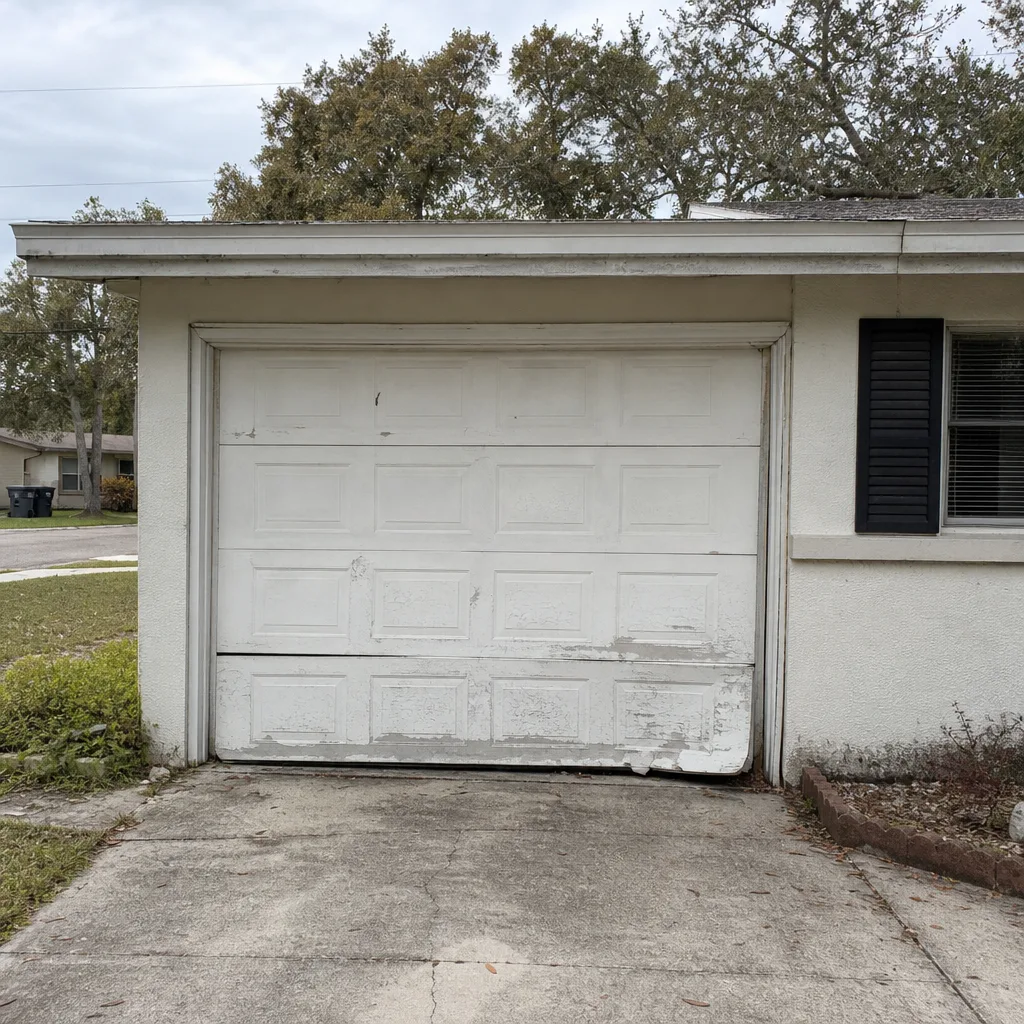 Before
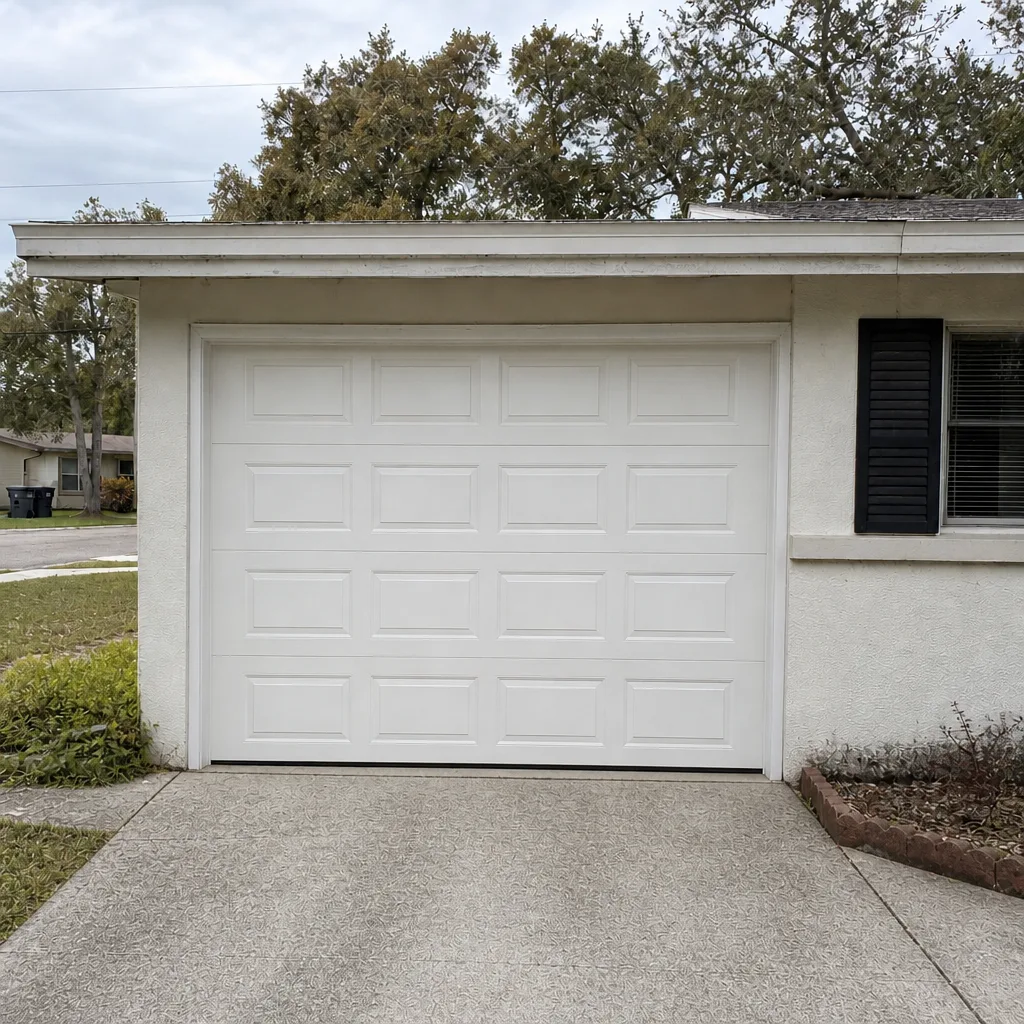 After
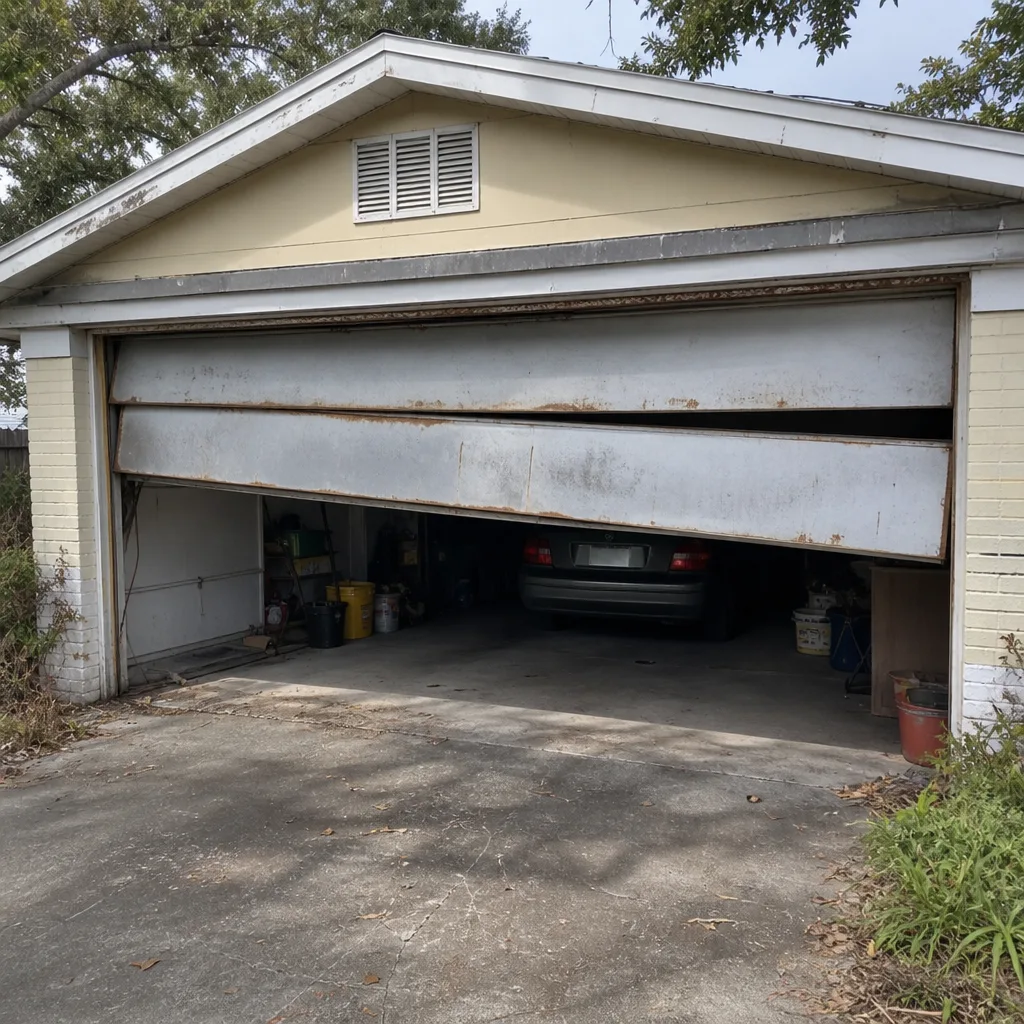 Before
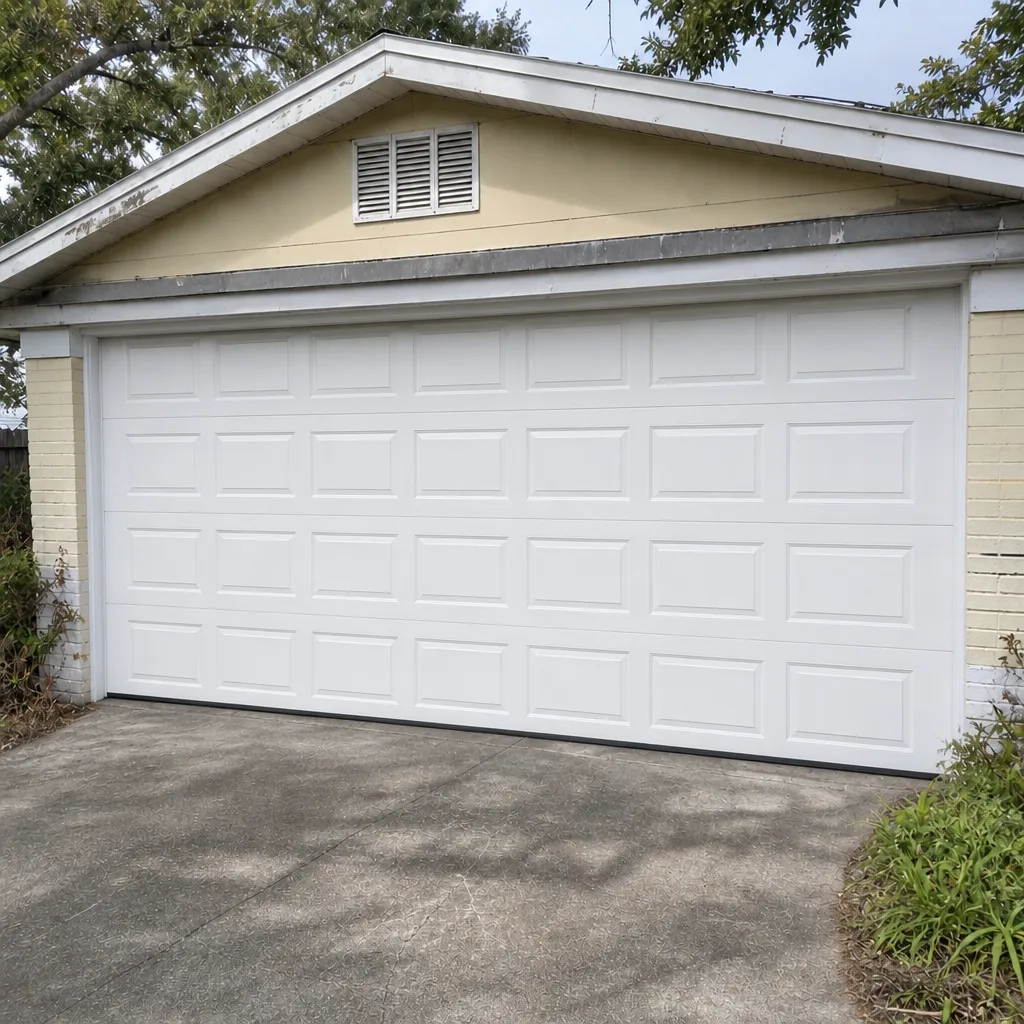 After
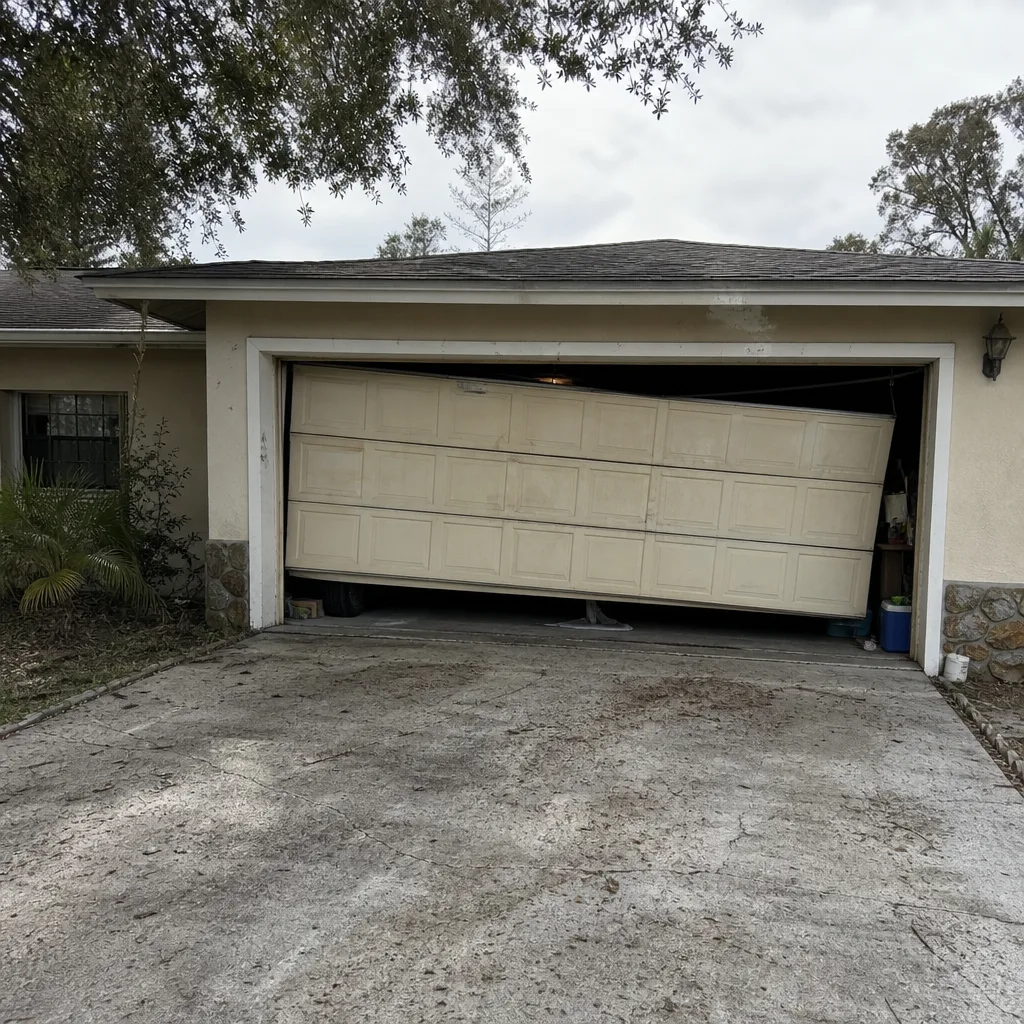 Before
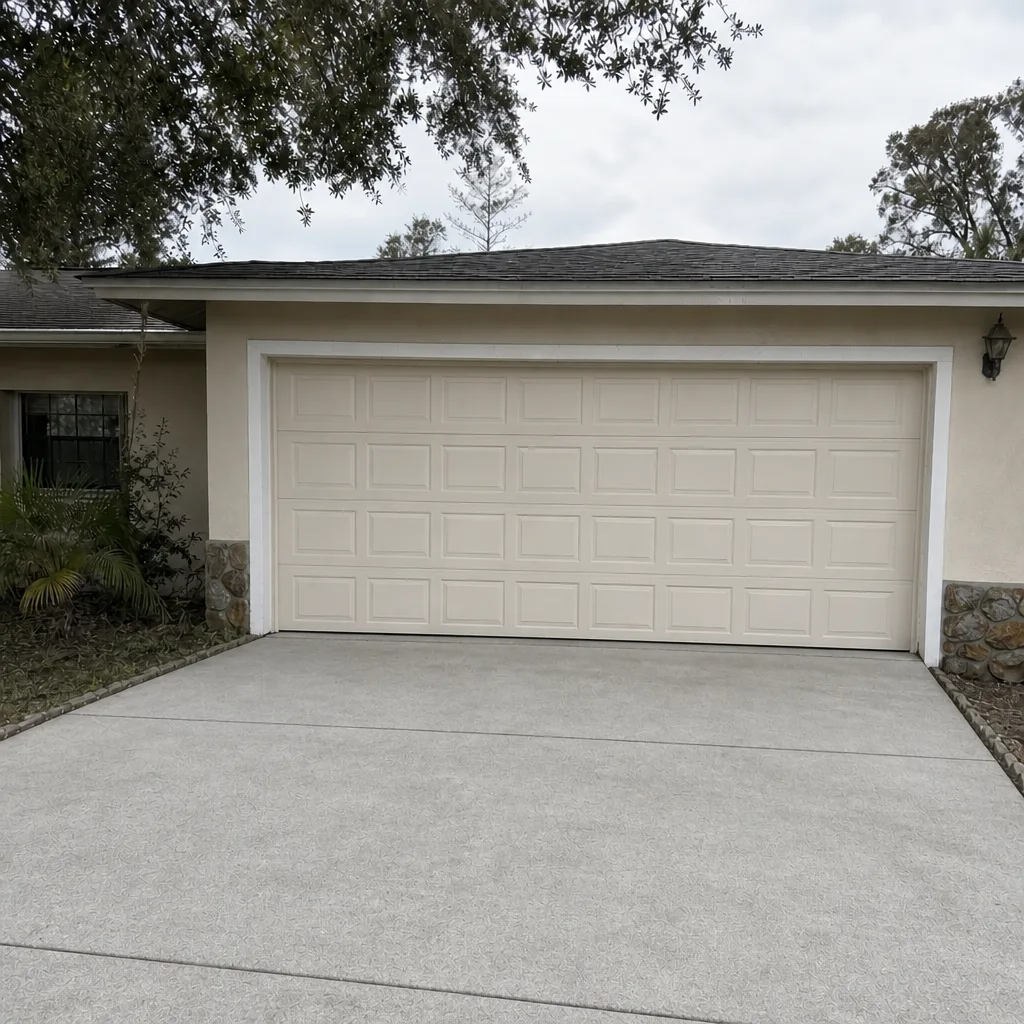 After
When to Call a Professional
Call a garage door specialist when a permit or inspection is in play, when the door needs to meet a specific design pressure, when the jamb needs inspection, or when the assembly includes spring or opener work you don’t want to handle yourself. Spring replacement in particular is a genuinely dangerous repair – the torsion springs on a standard garage door are under heavy load, and a slipping spring or drum can cause serious injury. That’s the kind of work a trained technician should handle. The same caution applies if the door is off-track or the cables look frayed; a loaded cable can snap. For emergency scenarios, we offer emergency garage door service; when it won’t open and you can’t wait, call us. For everything else, Garage Door Repair Shore Acres offers free estimates in Shore Acres – call (866) 854-5034. Our technicians have up to 10 years of experience, and we’re factory-familiar with LiftMaster, Chamberlain, Genie and Clopay equipment. Your garage door is our only trade.
Frequently Asked Questions
In most Shore Acres cases, yes. A door replacement touches the wind-rated building envelope, and Pinellas County typically requires a permit so the door’s rating and installation can be documented and inspected. The county building department is the authority for your specific address; call them before you order a door. For a free estimate on a permitted replacement, call (866) 854-5034.
No, repairing a spring, cable, roller, track or opener doesn’t usually require a permit. Maintenance and repair work restores the existing door to function, and that’s a different category from construction. If you’re adding a new electrical circuit for an opener, a licensed electrician handles the electrical permit separately.
A design pressure rating means the door has been tested to withstand a specific wind load under standardized protocols, and it only holds when installed with the manufacturer’s specified anchors and bracket spacing. The rating is documented by a permanent label on the door. If your home requires a rated door and you install an unrated one, it won’t pass inspection, no matter how well it’s hung.
Flood zone designation affects whether your door must meet specific opening, venting or elevation details, and AE and VE zones carry different requirements than X zones. Your elevation certificate documents what your structure is supposed to have, so it’s worth checking that the door you’re installing matches before work starts. Confirm the specifics with the county building department for your address.
An unpermitted door replacement creates an undocumented structural change, and after a storm claim an insurer may look closely at a recently replaced door that has no permit or inspection record. Whether that affects a specific claim depends on your policy and carrier. The permit is the document that answers the question; we recommend assuming it’s required and confirming with the county.
Prices are set per job by the written estimate, and a permitted single-car door replacement in this part of Pinellas County typically falls in the low-to-mid four-figure range depending on door size, rating and hardware, with a two-car door running higher. The permit fee is a separate county charge confirmed before work starts. Call (866) 854-5034 for a free estimate – we’ll spell out the door, the rating, the permit and the inspection in writing.
The Bottom Line
A garage door in Shore Acres is a building-envelope component, not a decorative panel. The permit, the design pressure rating, the inspection and the flood zone documentation are all part of the same package, and together they determine whether your door is worth its full protective value. The right process is straightforward: confirm the permit, buy the correct rated door, install to the manufacturer’s instructions, pass the inspection, and keep the paperwork. The wrong process costs less up front and far more later. For help with either, our Garage Door Repair Shore Acres team is a call away.
Call (866) 854-5034 for a free estimate. We answer 24/7. Fast dispatch from 7am to 7pm, Sunday through Friday. Springs, openers, panels, full doors – one call covers it all, and the price is quoted and agreed before any work starts.
Written by the team at Garage Door Repair Shore Acres.