
Last updated November 22, 2026
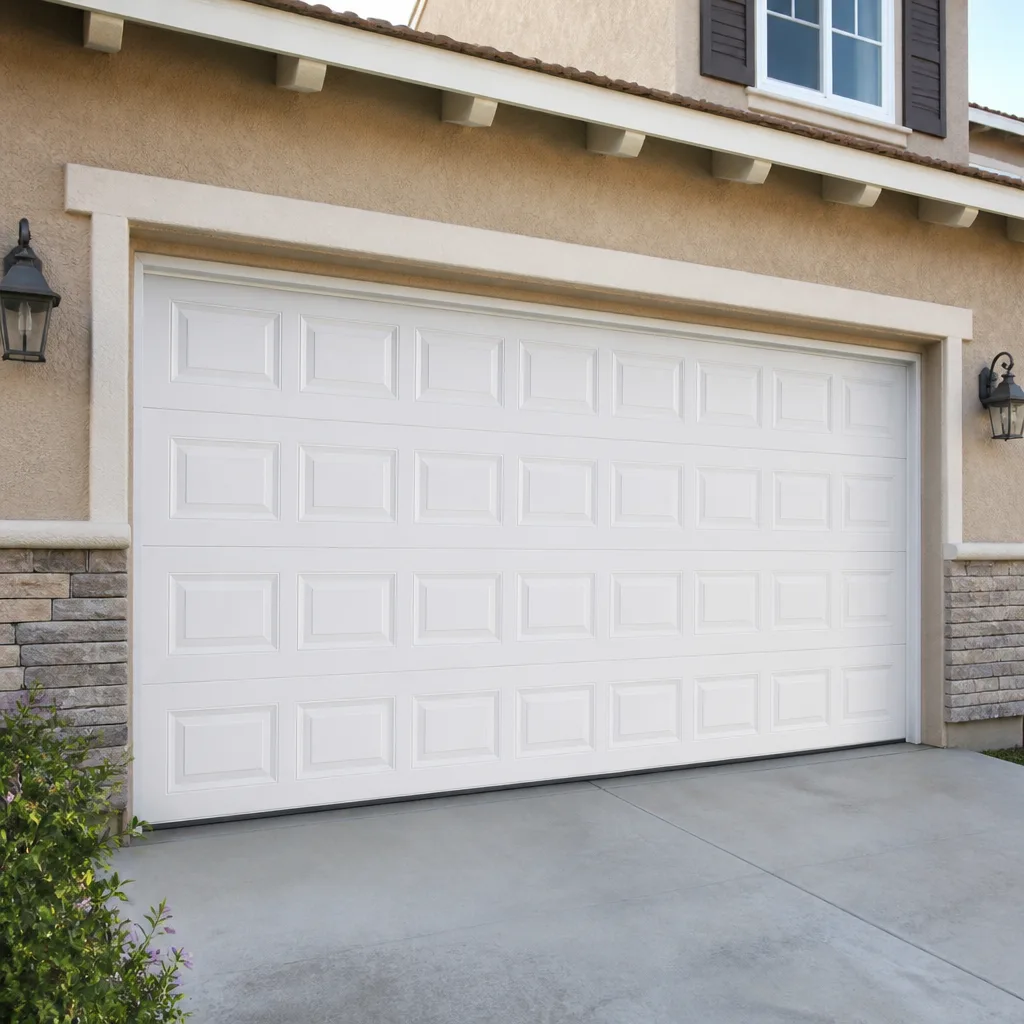 Raised-panel steel
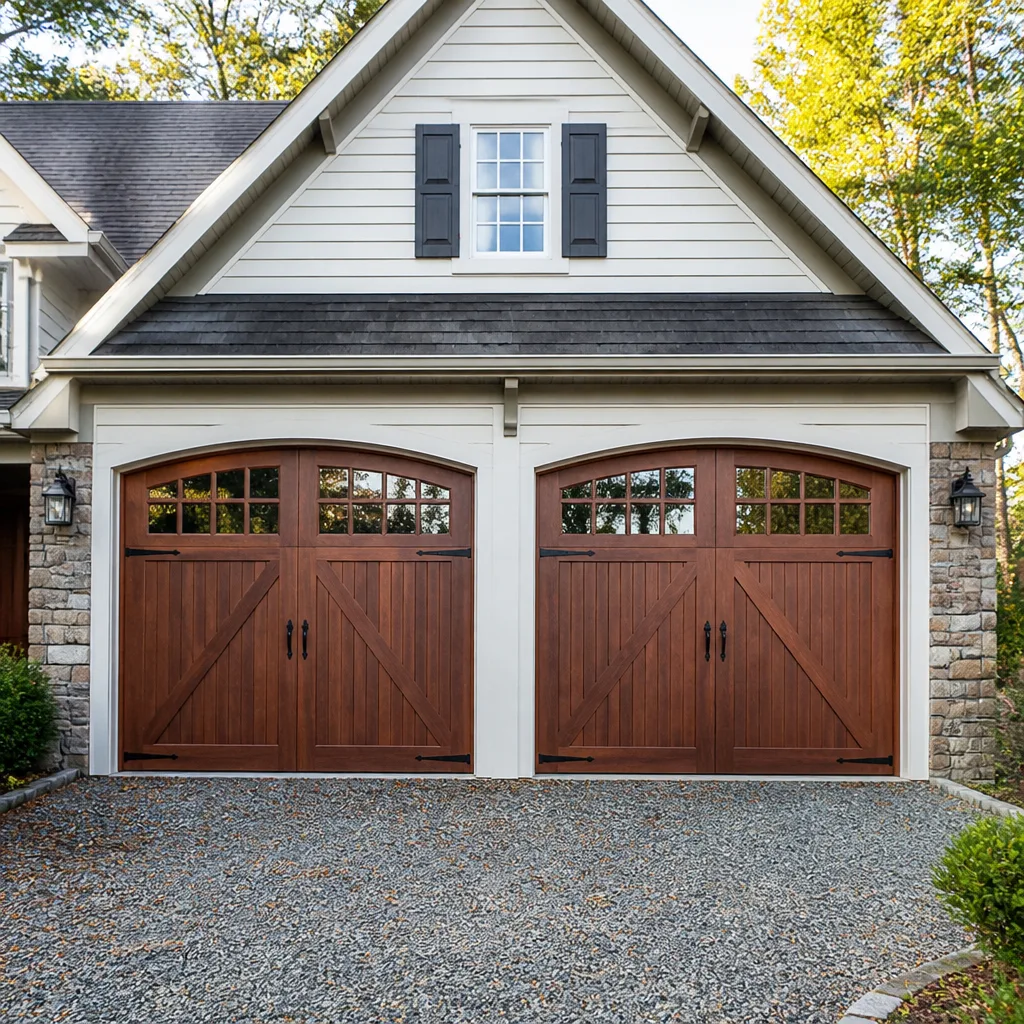 Carriage house
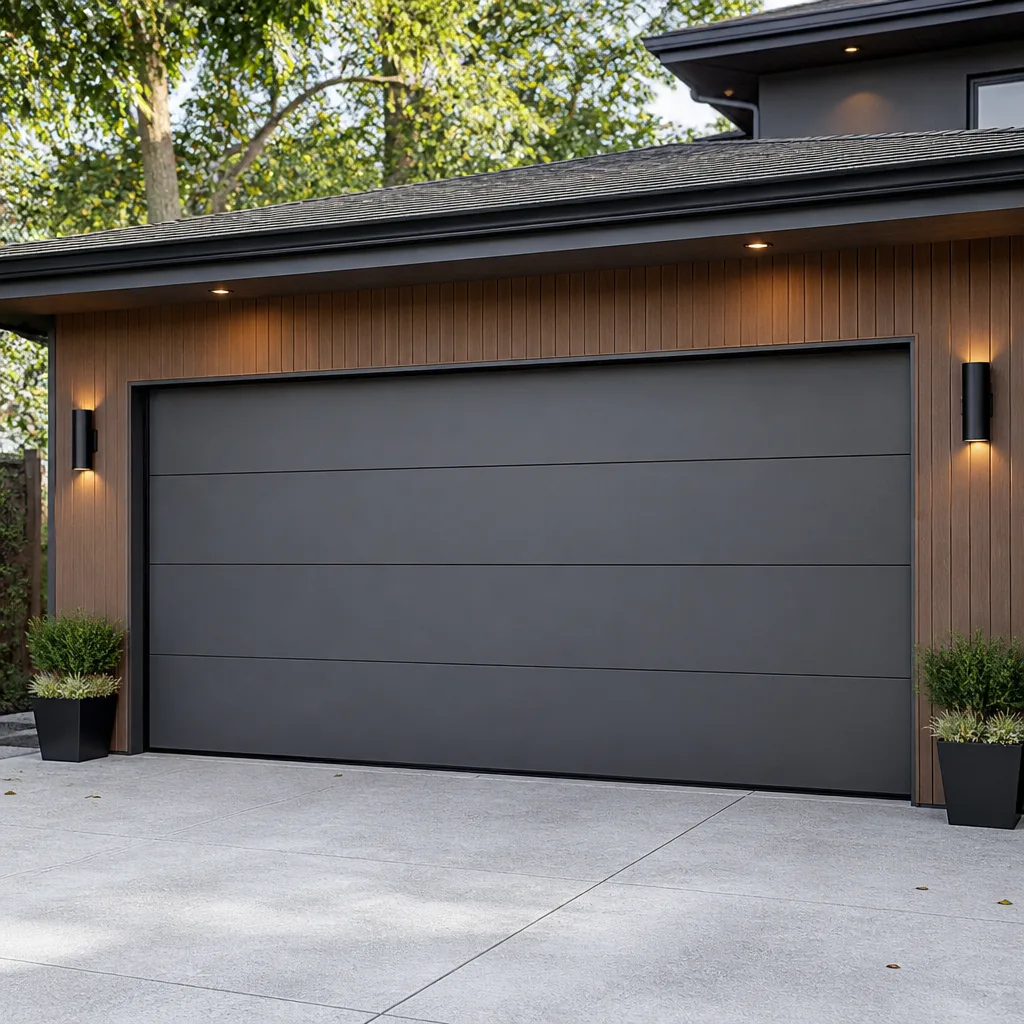 Modern flush
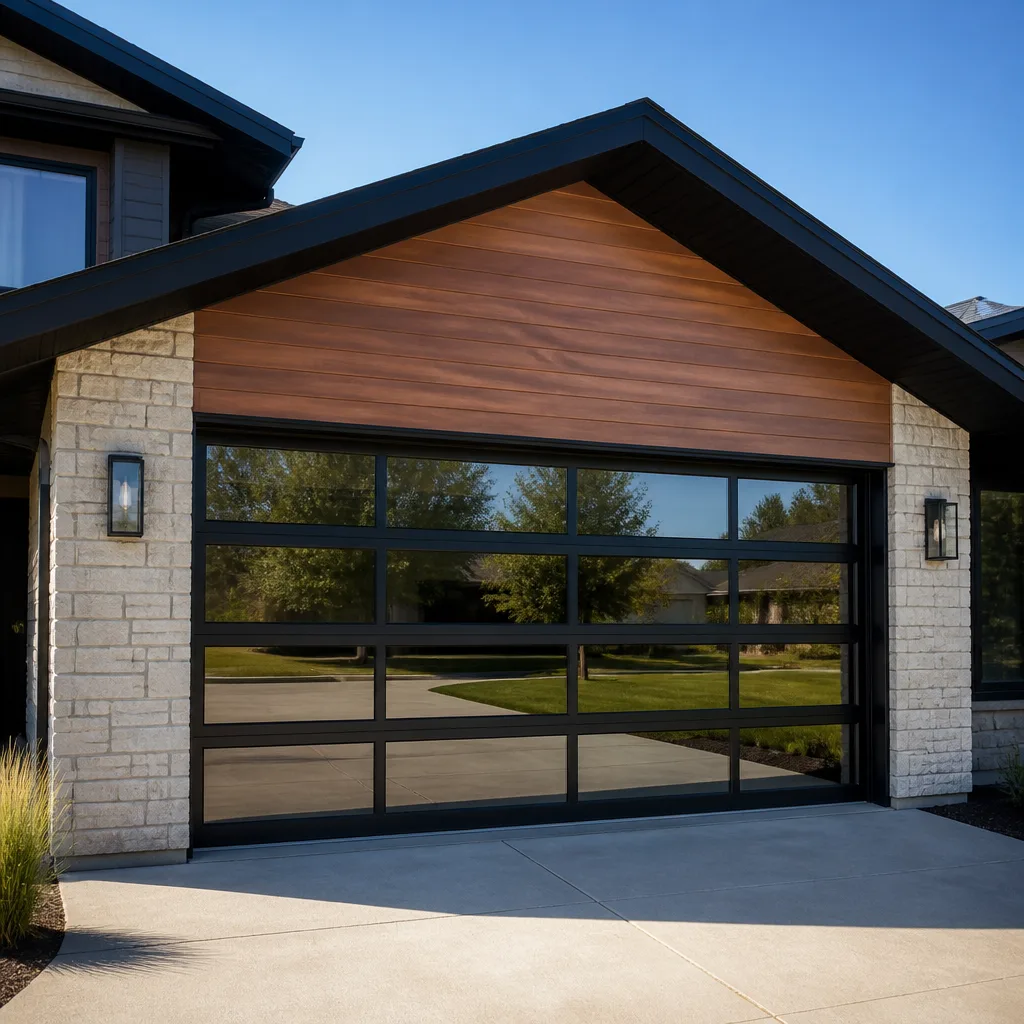 Full-view glass
 LiftMaster openers
 Chamberlain openers
Full 25-point door and opener safety check with every visit - springs, cables, rollers, tracks, and your LiftMaster or Chamberlain opener included
You get a price before we start. It does not change when the pro arrives.
Get your free estimateGarage Door Repair Maintenance Checklist for Shore Acres Homeowners
The failure that costs Shore Acres homeowners the most money usually isn’t the one they’re watching for. Everyone worries about a spring snapping. But in this part of Florida, the quieter problem is the bottom bracket and the cable anchor plate – two small steel parts that sit low, collect humidity, and never appear on a generic maintenance checklist copied from a national website. This guide is built backward from the calls we actually get in Shore Acres: which parts fail here, in this climate, and what a monthly ten-minute walkaround catches before it turns into a same-day emergency. You’ll get a seasonal schedule, a lubrication routine that doesn’t backfire, and a clear rule for what belongs to you and what belongs to a trained technician.
Quick Answer
A workable garage door maintenance checklist for Shore Acres means checking corrosion points monthly, lubricating moving metal parts with the right product every two to three months, testing the safety reverse feature monthly, and inspecting weatherstripping before and after the summer rainy season. Springs, cables, brackets and anything under tension should be inspected by a trained technician, never adjusted by a homeowner. Everything above the door – rollers, tracks, hinges, seals, opener behavior – is fair game for a careful DIY check.
Styles & brands we work with
- Raised-panel steel
- Carriage house
- Modern flush
- Full-view glass
- LiftMaster openers
- Chamberlain openers
Table of Contents
- Why a Generic Checklist Falls Short in Shore Acres
- The Monthly Walkaround: Ten Minutes, Five Checks
- Salt-Air Inspection Points Most Checklists Skip
- How to Lubricate Correctly in High Humidity
- Reading the Early Signs of Spring Failure
- Weatherstripping: Rain, Wind, and Water Intrusion
- Opener and Safety Reverse Testing
- The Seasonal Schedule for Shore Acres Homes
Why a Generic Checklist Falls Short in Shore Acres
Most garage door maintenance advice floating around online was written for a house in a temperate climate with four distinct seasons. It spends pages on freeze damage, snow load, and ice buildup in the tracks. In Shore Acres, none of that applies. What applies instead is year-round warmth, heavy summer humidity, salt in the air, and a rainy season that hammers weatherstripping from June through September. A checklist that ignores those conditions is answering questions nobody here is asking.
The practical result is that Shore Acres homeowners tend to over-maintain the parts that rarely fail (the painted door face, the opener remote) and under-maintain the parts that fail first (the brackets and plates at the very bottom of the door). We’ve seen this pattern repeat across the neighborhood because the available checklists weren’t written for this climate.
Here’s what actually degrades fastest in a Shore Acres garage:
- Bottom brackets and cable anchor plates – low-mounted steel exposed to ground humidity and, in many garages, to yard runoff during heavy rain.
- Roller stems – the pin inside each roller rusts and seizes, which then grinds against the track.
- Galvanized torsion springs – surface oxidation accelerates in constant humidity and hides the early pitting that signals a spring is close to failing.
- Weatherstripping and bottom seals – repeated soaking and drying leaves them brittle and cracked within a season or two.
Everything that follows in this guide is organized around that list, not around a climate this neighborhood doesn’t have.
The Monthly Walkaround: Ten Minutes, Five Checks
Once a month, with the door closed and the opener unplugged or the wall button locked out, walk the full perimeter of your garage door. This is a visual inspection only – you’re looking, not adjusting. Do these five checks in order:
- Check the bottom brackets and cable anchor plates for rust. Get down low with a flashlight. Light surface discoloration is normal; flaking, pitting, or orange dust on the plate is a warning sign worth a professional look.
- Check the roller stems. Each roller should spin freely by hand. A stem that’s seized or feels gritty is dragging the door and wearing the track.
- Look along the torsion bar for fresh marks. A clean, shiny groove in the metal, or dark dust below a spring, suggests metal is grinding somewhere it shouldn’t.
- Run the door by hand (with the opener released) and listen. A properly balanced door opens with steady resistance and stays put when let go halfway. A door that slams down is out of balance.
- Check the weatherstripping and bottom seal. Look for cracks, gaps at the corners, or daylight visible under the closed door.
Write the date on a note inside the garage. A loose paper calendar on the wall does more for a garage door than most people expect, because it catches slow changes you’d otherwise miss.
Salt-Air Inspection Points Most Checklists Skip
Shore Acres sits where the air carries salt, and that changes the corrosion math on a garage door. Most steel on a garage door is either galvanized, powder-coated, or painted – which holds up for a while, then fails in small places you don’t notice. The monthly walkaround is where you catch those small places before they turn into a broken bracket, a snapped cable, or a door that drops off one side.
These are the specific points worth getting on your hands and knees for, roughly from lowest to highest:
- Bottom brackets (left and right). The most overlooked and most consequential part on the door. These brackets hold the cable that carries the door’s weight. Corrosion here is what turns a routine repair into an urgent one.
- Cable anchor plates and the cable itself. Check for fraying, rust-colored staining at the crimp, or a cable that looks slack on one side.
- Roller stems and hinges. Every hinge leaf and every roller pin is a corrosion point. Seized hinges make the door noisy and uneven; seized rollers chew the track.
- The bottom of the door panel and the bottom seal retainer. Splash from wet pavement during summer downpours hits this area from underneath.
- The track where the bottom roller sits. Debris and leaf litter collect here, hold moisture, and eat the finish.
A quick wipe with a dry cloth and an honest look at each of these takes a few minutes. If any of them shows flaking, pitting, or a texture change, that’s your cue to call a technician for garage door repair rather than to try cleaning it up. Corrosion on load-bearing parts isn’t cosmetic.
How to Lubricate Correctly in High Humidity
Lubrication in a humid climate is tricky because the obvious products do the wrong thing. Standard WD-40 is a solvent, not a lubricant – it cleans, then evaporates, leaving metal dry. Heavy grease attracts grit and dust in a Shore Acres garage, which makes rollers harder to turn, not easier. What actually works here is a light, purpose-made product: a lithium- or silicone-based garage door lubricant, or a white lithium grease spray on the hinges and pivot points only.
Here’s the sequence that holds up in humidity:
- Clean first. Wipe down each hinge, roller pin, and tracked surface with a dry cloth before applying anything. Moisture trapped under lubricant is worse than no lubricant.
- Spray the hinges. One short burst at each hinge pivot. Wipe off the excess.
- Spray the roller stems (not the roller wheels). The metal pin inside each roller is what needs the lubricant. The rubber or nylon wheel itself does not.
- Wipe the tracks clean and leave them dry. Garage door tracks don’t need lubricant – they collect dust and turn into a sticky mess if you spray them.
- Spray the torsion spring lightly once or twice a year. A light coat slows surface rust. Do not wipe it in, and do not touch the spring further.
- Never lubricate the opener rail or the trolley with grease. A dry-rated rail wants a light spray at most.
Twice a year is the floor for Shore Acres; once a month in the wet season if your garage sits under trees, gets hit by irrigation overspray, or you notice the door getting louder.
Reading the Early Signs of Spring Failure
Springs don’t fail without warning. They give you signals first, and in Florida’s humidity those signals are mostly visual. A galvanized torsion spring approaching failure usually shows one or more of the following, in roughly the order they appear:
- Surface rust that’s turning from light orange to dark brown. Light oxidation is normal. Coloring that darkens week over week is a warning.
- Fine pitting or speckling on the wire surface. This is where a spring is heading toward failure – the surface is losing its structure before it visibly cracks.
- A visible gap or separation between coil windings. The coils should sit tightly against each other. A gap that wasn’t there before means the spring has stretched.
- Lopsided door travel. The door rises faster on one side than the other. That usually points to a spring that’s losing tension.
- A loud bang you didn’t hear because you weren’t home. Sometimes the first sign is a door that won’t open – the spring may have already failed. Never force it.
Torsion springs on a garage door carry the entire weight of the door under high tension. Adjusting, winding, or unwinding them requires specific tools and training, and the injury risk is real. A trained technician is the only person who should touch them – not because it’s hard to understand, but because the failure mode is severe. Our technicians handle spring repair as a dedicated service, with the tools and the safety procedure for the job. When you suspect a spring is failing, the inspection itself is not a DIY task.
Weatherstripping: Rain, Wind, and Water Intrusion
Shore Acres gets summer downpours that hit the door broadside, and storm season brings wind-driven rain that finds every gap. Weatherstripping is the cheapest part on the door and the one that most affects whether water gets into your garage. In this climate it needs an inspection on a set cadence, not a “check it when you think of it.”
Here’s the cadence that works:
- Every month – visual check: cracks in the bottom seal, gaps at the corners, daylight visible under the closed door, or a seal that’s pulling away from the frame.
- Before the rainy season (May) – check the perimeter seals and the bottom seal for hardening or compression set. Rubber that has lost its springiness lets water in even when it looks intact.
- After storm season (October/November) – check for wind damage: torn seals, sections pushed out of the retainer, or a seal that’s been pulled loose on one side.
- After any significant storm – quick visual of the bottom seal and side seals, even if nothing looks obviously wrong.
Replacing weatherstripping is one of the few garage door repairs most homeowners can handle themselves. A bottom seal slides into the retainer and cuts with a utility knife. Perimeter seals are glued or nailed to the frame. If water is still getting in after replacement, that’s usually a threshold or drainage issue rather than a seal issue – call a technician for a proper look rather than fighting it with more sealant.
Opener and Safety Reverse Testing
Your opener should be tested monthly. The safety reverse feature – the mechanism that sends the door back up when it hits an obstacle – is the single most important safety function on the door. Two tests, both quick:
- Test the photoelectric sensors. With the door open, press the wall button to close it and wave a leg or a cardboard box across the sensor beam near the floor. The door should reverse and return to open. If it doesn’t, the sensors need attention.
- Test the mechanical reverse. Lay a piece of 2×4 flat on the floor in the door’s path. Close the door. It should contact the wood and reverse. If it stops without reversing, or crushes the wood before reversing, the opener needs adjustment.
While you’re at it, listen to the opener on a normal cycle. A LiftMaster or Chamberlain chain-drive opener should be steady and consistent. Grinding, hesitation, or a door that moves in uneven jerks points at either the opener or a mechanical issue on the door. Our technicians work on LiftMaster, Chamberlain, Genie, and Craftsman openers specifically, so garage door opener repair is diagnosed against known brand behavior rather than treated as a generic problem. A door that reverses for no clear reason, or an opener that runs without moving the door, usually needs a technician rather than a fresh battery in the remote.
The Seasonal Schedule for Shore Acres Homes
Here’s the full-year schedule that matches this climate. Post it inside the garage on the wall next to the door.
Monthly (all year)
- Visual walkaround: bottom brackets, cable plates, roller stems, hinges, weatherstripping.
- Safety reverse test (sensors and mechanical).
- Listen to the door during a cycle for new noises.
Every two to three months
- Clean and lubricate hinges and roller stems with a garage-door-specific lubricant.
- Wipe down the tracks and leave them dry.
- Check the balance by running the door by hand (with the opener released).
Before the rainy season (May)
- Inspect the bottom seal and perimeter weatherstripping for hardening or compression.
- Look for rust progression on the bottom brackets and cable anchor plates.
- Clear leaf litter and debris from the bottom of the tracks.
After storm season (October-November)
- Inspect weatherstripping for wind damage.
- Check the door panels for alignment – a hard wind can knock a panel slightly out of the track.
- Test the safety reverse again after any storm with significant wind.
Annually
- Have a technician inspect springs, cables, brackets, and the opener assembly. This is the annual walk-through we do for Shore Acres homeowners as a professional inspection, not a repair.
- Check the opener’s drive system – belt, chain, or screw – for wear.
That’s the year, and it’s what keeps a garage door out of the emergency call column. A one-page version of this schedule will do more for a garage door than a wishlist of parts.
Common Mistakes to Avoid
- Spraying WD-40 on the hinges and calling it maintenance. WD-40 is a water displacer, not a lubricant. It cleans, then dries out and leaves your hinges and roller pins drier than they started.
- Greasing the tracks. Tracks are supposed to be clean and dry. Grease turns dust and yard debris into a paste that drags rollers and grinds the track.
- Skipping the bottom brackets because they’re “just brackets.” In Shore Acres, these are the parts that fail first because they sit in the worst humidity on the door. They’re also the ones a generic checklist leaves off entirely.
- Adjusting a torsion spring yourself. The spring carries the door’s full weight under extreme tension. It doesn’t need to be “just tweaked” – it needs a trained technician.
- Waiting for the spring to snap before scheduling an inspection. A failing spring gives warning signs long before it breaks: rust color change, pitting, a visible gap between coils, uneven door travel. Catching them early is the whole point of the annual check.
- Replacing only the seal, not the retainer. If the weatherstripping keeps falling out, the retainer is the problem, not the seal.
- Ignoring a door that reverses for no reason. That’s usually a sensor, track, or balance issue – not a battery problem. Ignoring it wears the opener out faster.
See the difference
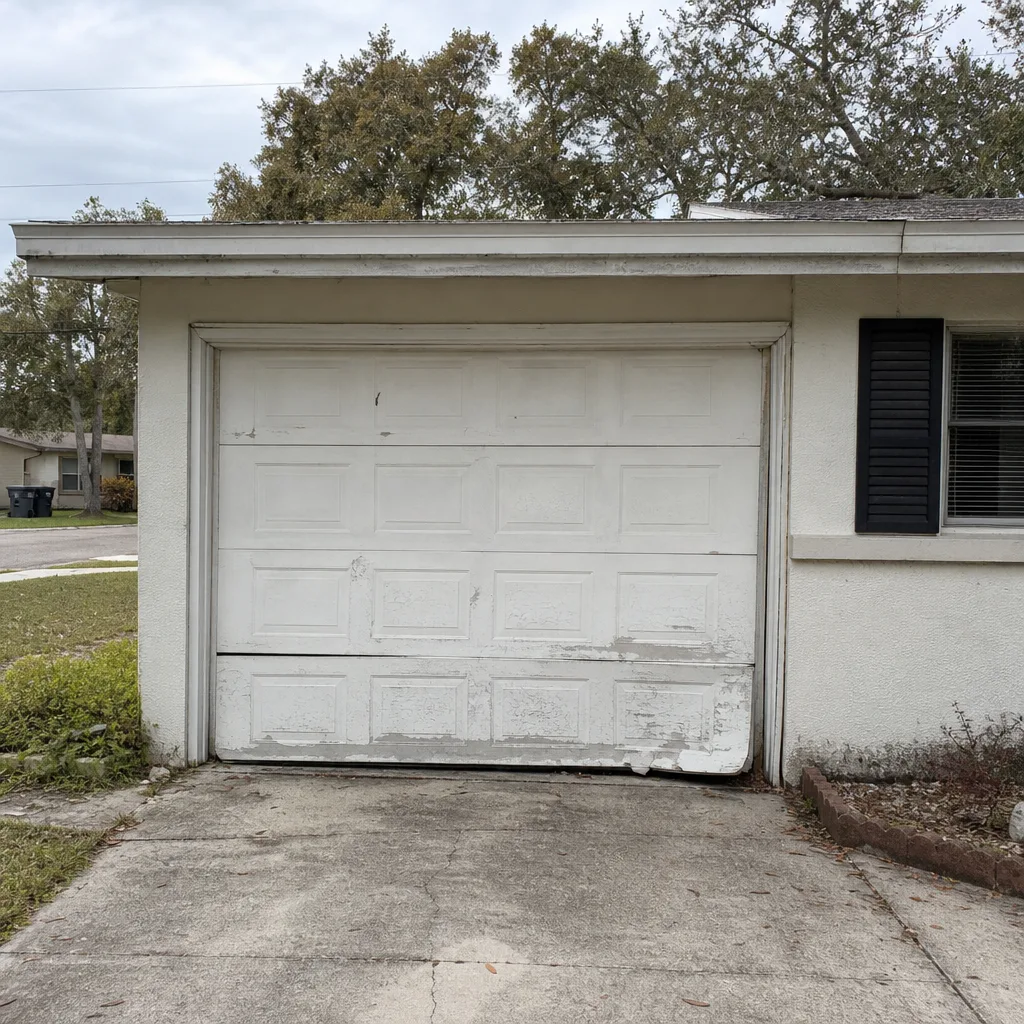 Before
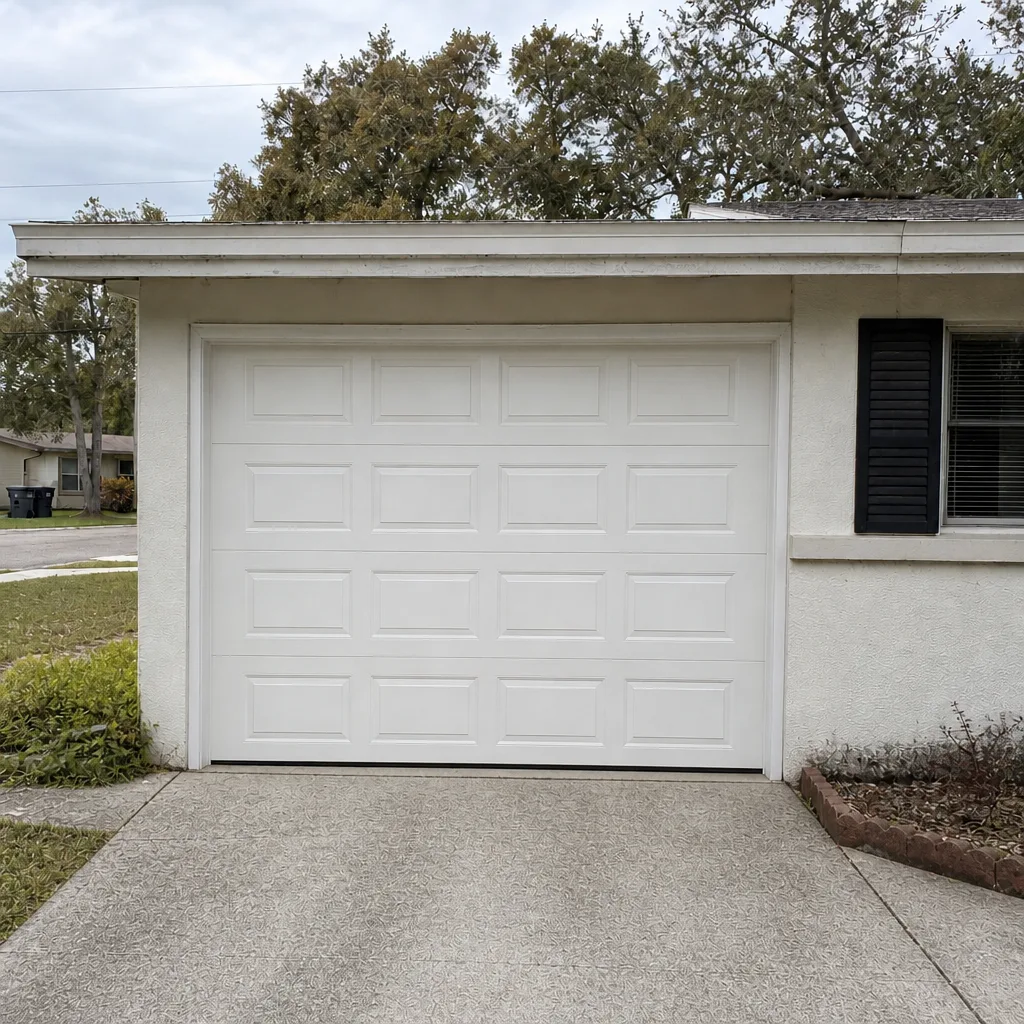 After
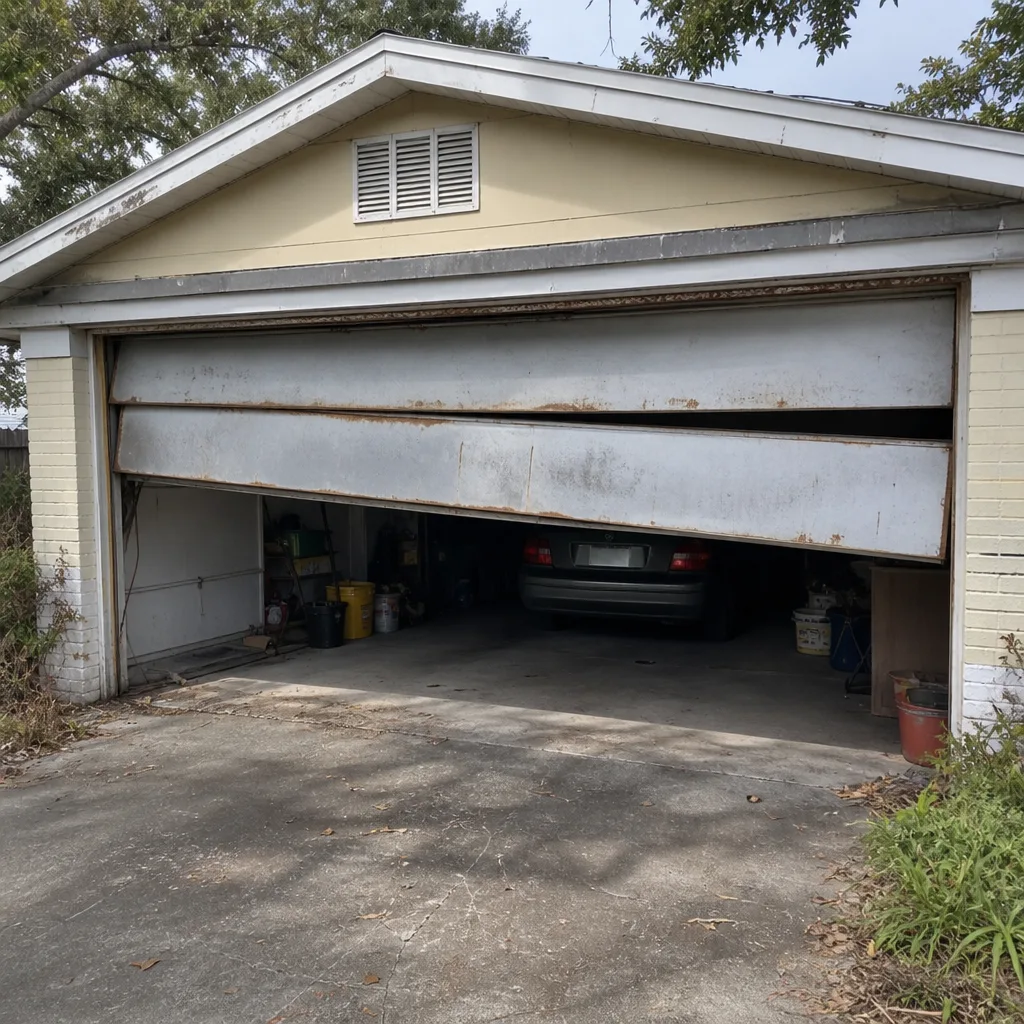 Before
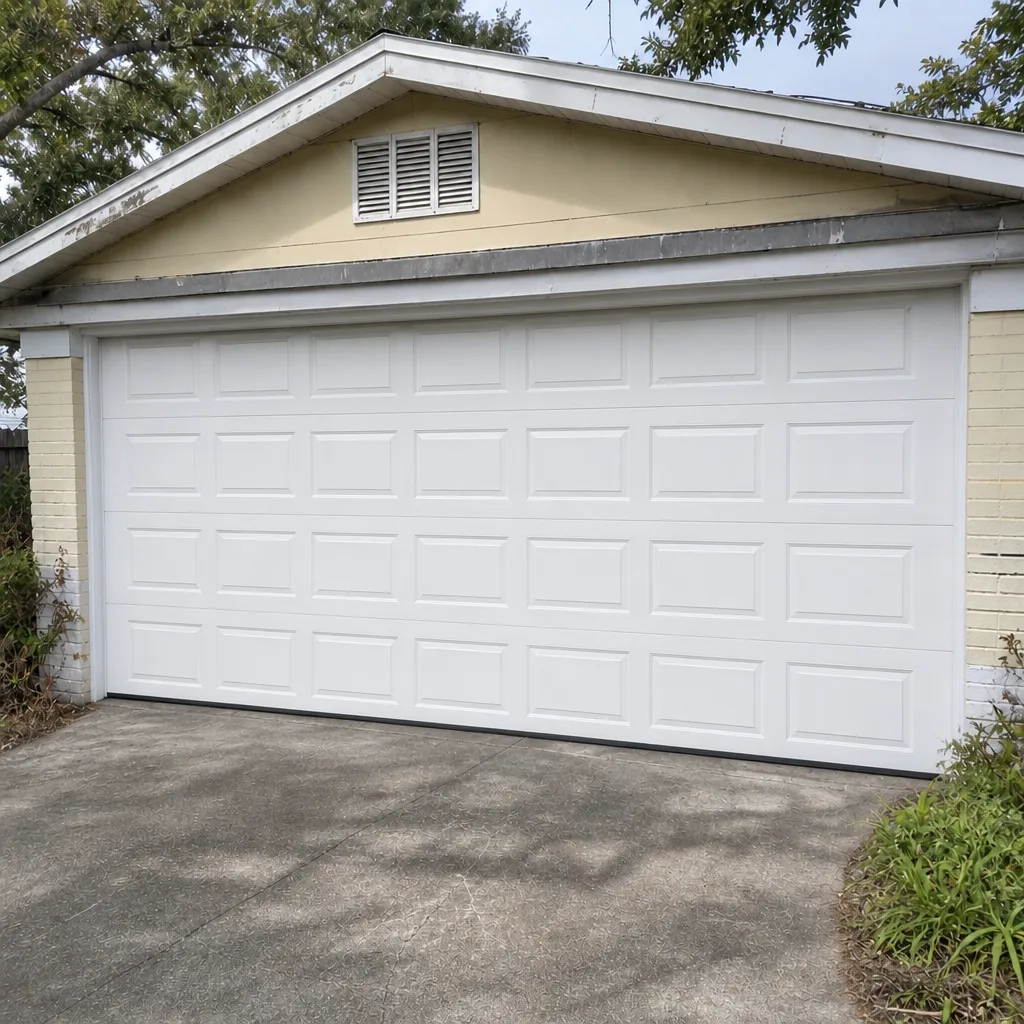 After
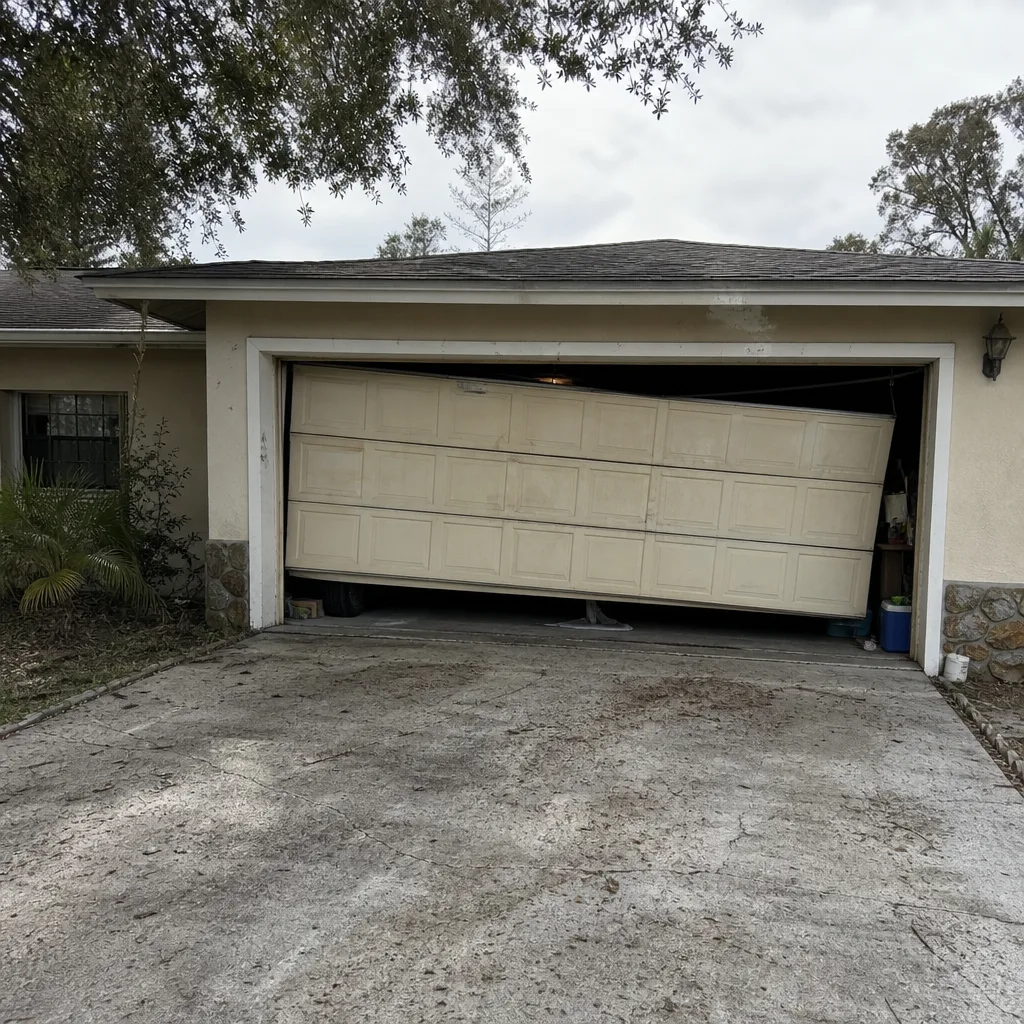 Before
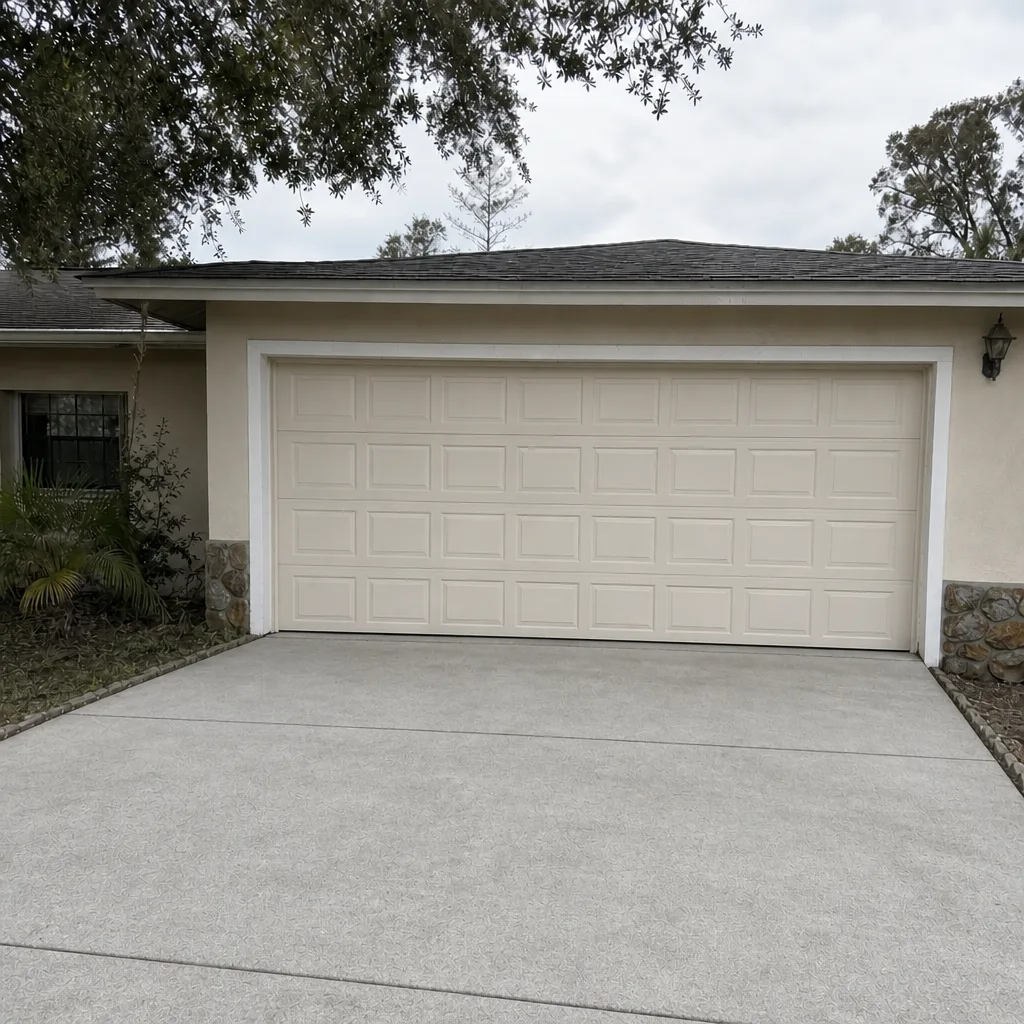 After
When to Call a Professional
Some tasks belong to you and some belong to a technician. The dividing line is risk, not tool availability. Anything that touches a spring, a cable, a bottom bracket, or the track alignment under load is a professional job – not because you couldn’t eventually figure it out, but because the failure mode is dangerous. Same with an opener that’s running but not moving the door, a door that’s off-track, or a safety reverse feature that fails either test. Replacing weatherstripping and lubricating moving parts are yours. If you’re not sure which side of the line a job falls on, that’s a professional call.
When it won’t open and you can’t wait, Garage Door Repair Shore Acres offers free estimates in Shore Acres. Call (866) 854-5034. We answer 24/7. Fast dispatch from 7am to 7pm, Sunday through Friday. Our technicians have up to 10 years of experience, and every one of them works on garage doors as the only trade they cover. We work on the brand you already have – LiftMaster, Chamberlain, Genie, Clopay, and the other major brands – so the diagnosis is against real brand behavior rather than a one-size-fits-all guess. Spring, opener, panel, full door: one call covers it. If you’re considering a full replacement rather than a repair, the same number gets you a free measure and a written price on garage door installation.
Frequently Asked Questions
Every two to three months is the safe minimum, and once a month during the summer rainy season if your garage sits under trees or gets hit by irrigation overspray. Use a garage-door-specific lithium or silicone lubricant on hinges and roller stems only – not on the tracks, and not standard WD-40. If the door gets noticeably louder between lubes, shorten the interval.
The bottom brackets and cable anchor plates are the most common early failures, followed by roller stems and hinges. They sit lowest on the door, so they collect ground humidity, splash from wet pavement, and salt from the air. A generic maintenance checklist that only covers the spring and the opener will skip them entirely. Call (866) 854-5034 if you see flaking or pitting on either bracket.
Often, yes. Watch for surface rust that’s darkening week over week, fine pitting on the wire surface, a visible gap between coil windings, or a door that rises lopsided. Those are the signals a spring gives before it fails. Once you spot any of them, call a technician – spring inspection itself is not a DIY job because the spring is under extreme tension. Call (866) 854-5034 for a free estimate.
Every month as a quick visual, plus two focused inspections: once before the rainy season in May and once after storm season in October or November. Summer downpours and wind-driven rain are what wear weatherstripping out here, so the checklist cadence should follow the weather, not the calendar year.
No. The written estimate sets the price, and the price is agreed before any work starts. The in-person look is what produces that written estimate in the first place – we quote from what we see, not from a phone description, and the price doesn’t move after the work begins. Call (866) 854-5034 for a free estimate and a fixed written price.
The local pro we connect you with is licensed and insured as their state requires, and every technician is trained specifically on garage door systems – not general home repairs. We’re a garage door specialist, not a handyman service. Call (866) 854-5034 to confirm the details for your job and get a free written estimate.
The Bottom Line
A garage door that gets ten minutes a month will outlast one that gets a full attention once a year. In Shore Acres, the checklist to run is the one built around this climate: monthly checks on bottom brackets, cable plates, and roller stems; lubrication every two to three months with the right product (not WD-40); safety reverse tested monthly; weatherstripping inspected before and after the rainy season; and a professional spring and opener inspection once a year. Springs, cables, and bottom brackets belong to a trained technician – everything above the door is yours.
If your door is overdue for that professional inspection, or if a spring, opener, or track is already failing, Garage Door Repair Shore Acres is here. Call (866) 854-5034 for a free estimate. We answer 24/7. Fast dispatch from 7am to 7pm, Sunday through Friday. When it can’t wait, we’re the call that covers it – repairs, opener work, spring service, or a full new door, with one team from the first visit to the last.
Written by the team at Garage Door Repair Shore Acres.