
Last updated November 22, 2026
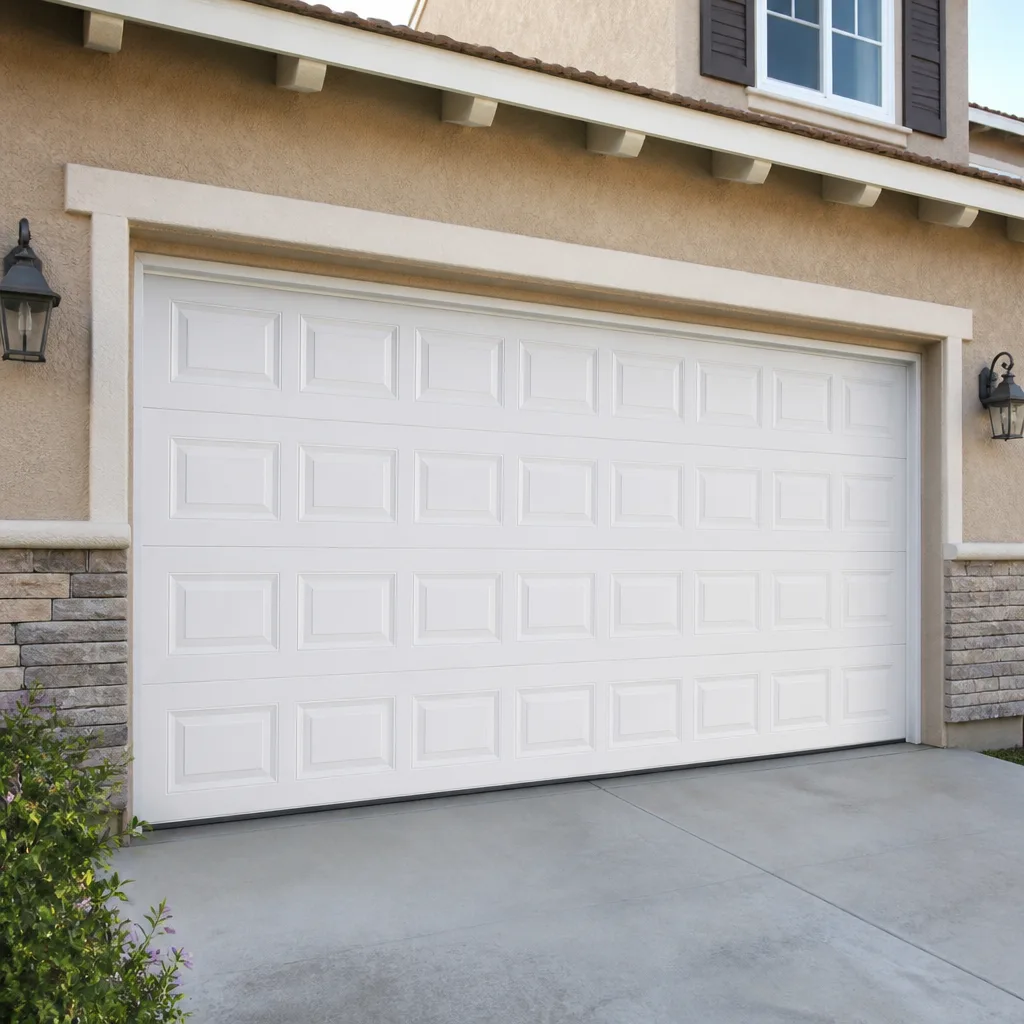 Raised-panel steel
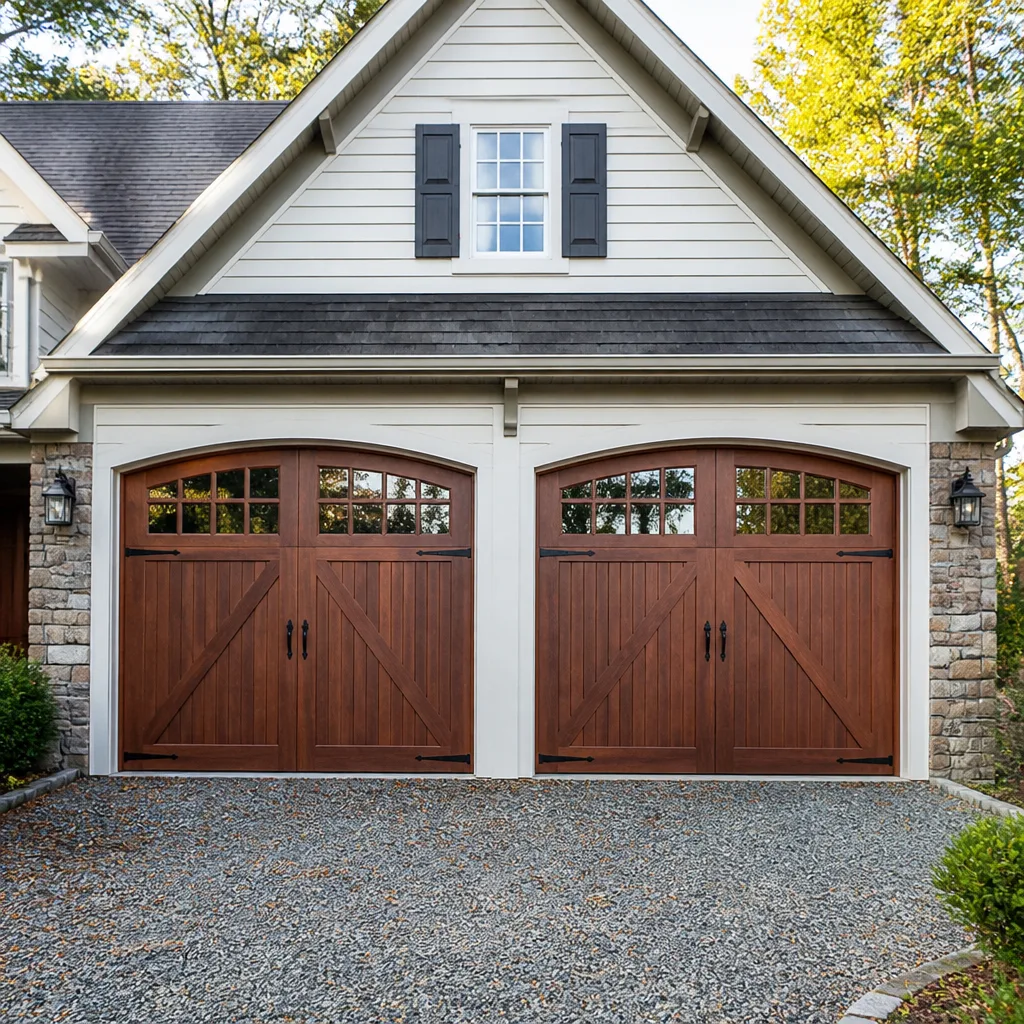 Carriage house
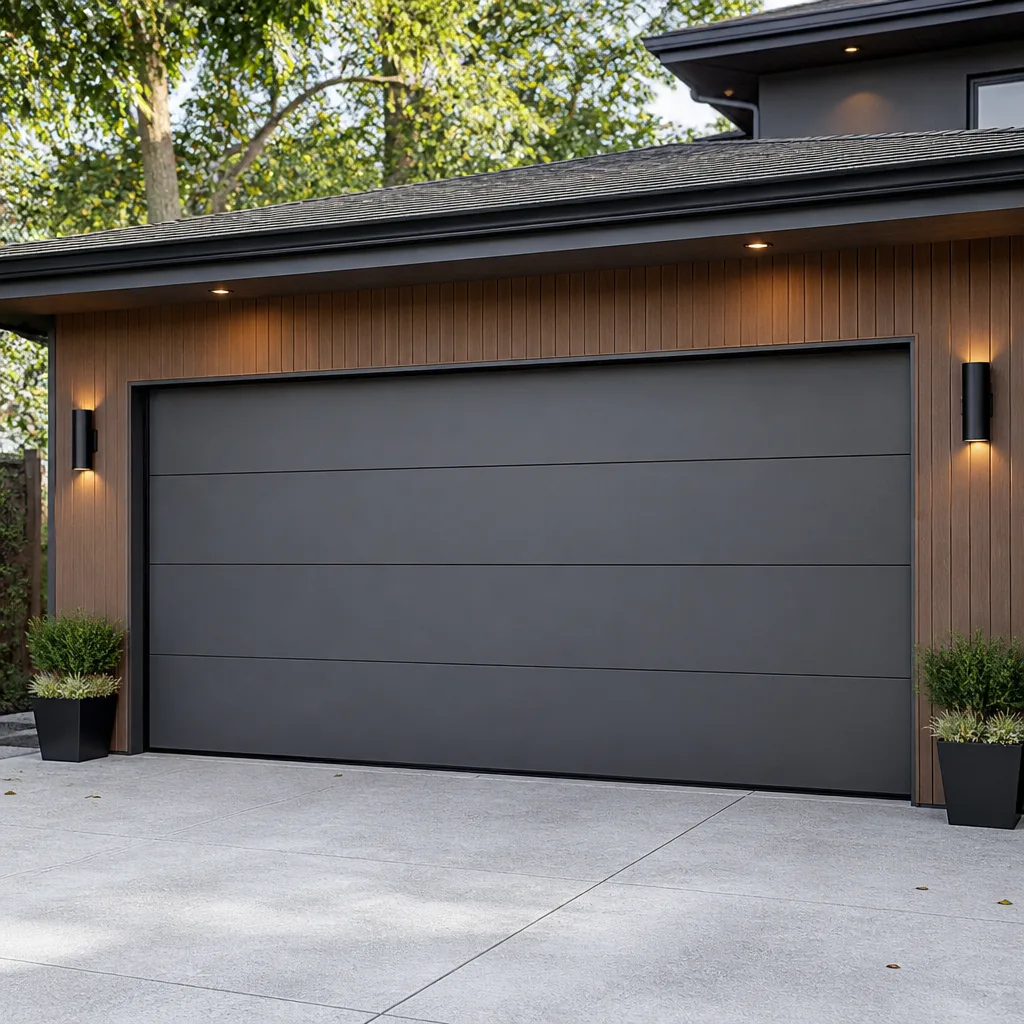 Modern flush
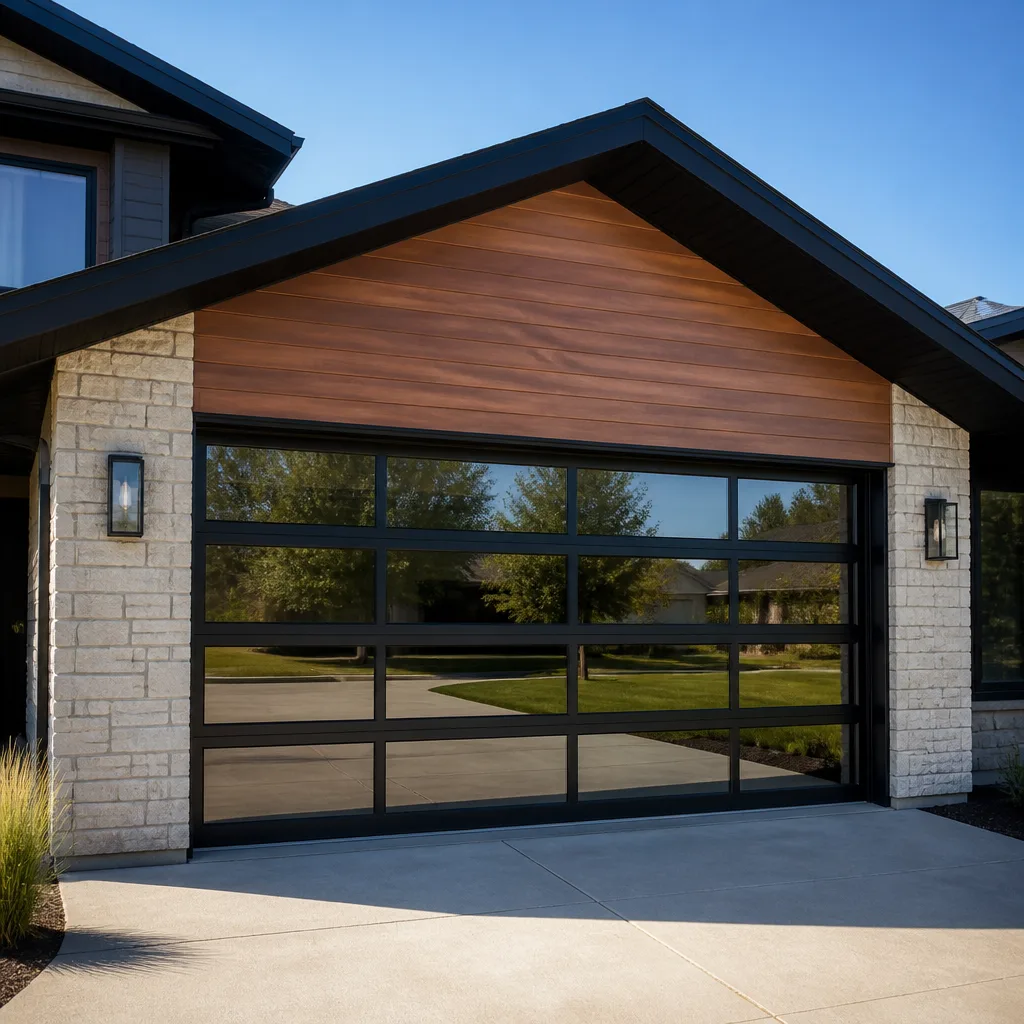 Full-view glass
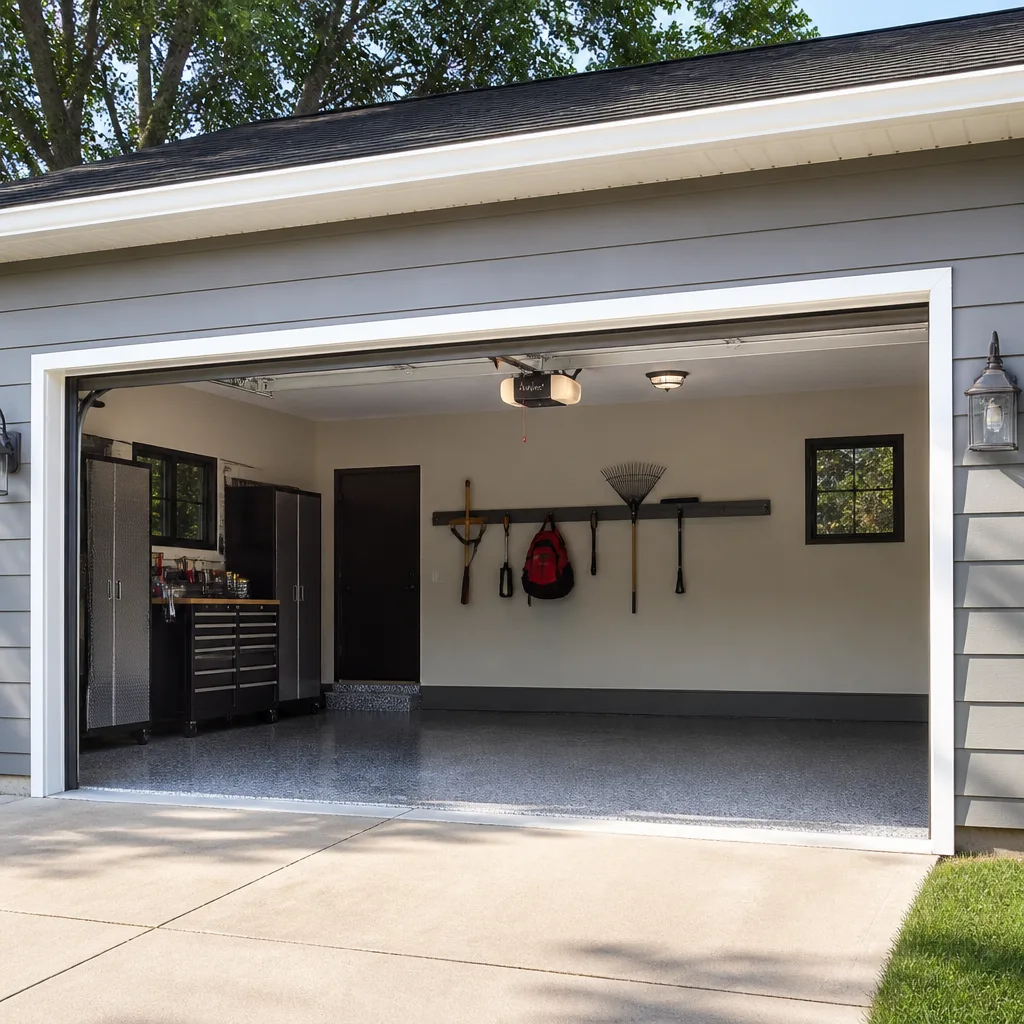 LiftMaster openers
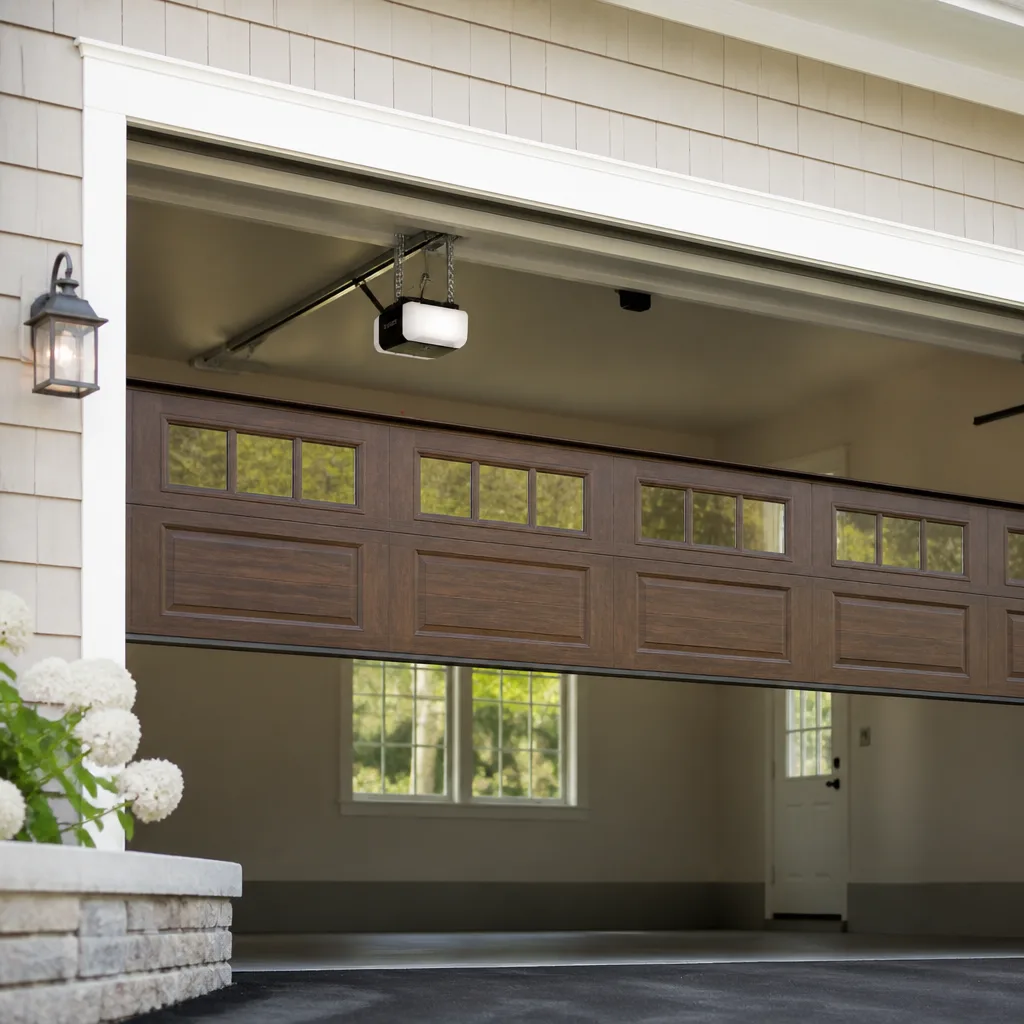 Chamberlain openers
Full 25-point door and opener safety check with every visit - springs, cables, rollers, tracks, and your LiftMaster or Chamberlain opener included
You get a price before we start. It does not change when the pro arrives.
Get your free estimateDIY vs Professional Garage Door: The Shore Acres Homeowner’s Decision Guide
Most homeowners assume the DIY-versus-professional question comes down to skill. It doesn’t. It comes down to consequence. Torsion spring replacement is the most-searched garage door DIY task and the one that sends the most people to the emergency room, because the tension stored in a fully wound spring can cause serious injury in under a second if the winding bars slip. Three other factors matter just as much: which tasks void the manufacturer’s warranty, which repair work Florida requires to be done by a licensed trade, and which mistakes turn a minor alignment issue into a liability in a wind-load zone. This guide walks Shore Acres homeowners through all four, task by task, so you can decide with clear eyes what to touch and what to leave alone.
Quick Answer
Some garage door work is genuinely safe to do yourself: lubricating hinges and rollers, aligning or cleaning photo-eye sensors, and reprogramming a remote or keypad. Most of the work that actually stops a door from operating is not: torsion springs, cables, bottom brackets, and track adjustments are injury risks and often warranty voiders, and in Florida any change to the door that affects its rated wind-load performance is permitted work that isn’t eligible for a homeowner DIY. The rule of thumb for Shore Acres: if the fix touches tension, a load-bearing part, or the structural mounting of the door, call a specialist.
Styles & brands we work with
- Raised-panel steel
- Carriage house
- Modern flush
- Full-view glass
- LiftMaster openers
- Chamberlain openers
Table of Contents
- The Decision Matrix: What You Can Safely Do Yourself
- Why Springs and Cables Are the Line You Don’t Cross
- Florida Licensing, Permits, and Wind-Load Rules
- How DIY Repairs Void Opener and Door Warranties
- The Real Cost Comparison: Parts and Time vs. a Written Estimate
- Why Coastal Conditions Raise the Stakes on DIY
- Brand-Specific Traps: What Generic DIY Advice Gets Wrong
- When DIY Turns Into a Same-Day Emergency
The Decision Matrix: What You Can Safely Do Yourself
The honest answer is that about a fifth of common garage door problems are homeowner-repairable and the rest are not. That’s not a marketing line. It’s a reflection of where the energy in a garage door system sits. A garage door is a balancing act between heavy moving panels and two springs under tremendous tension. Anything that adjusts that balance is specialist work. Anything on the outside of the system, like sensors or controls, usually isn’t.
Here’s the task-by-task breakdown we’d give a friend in Shore Acres. Use this as your first filter before you pick up a wrench.
Safe to DIY (with the power off):
- Lubricating hinges, rollers, and the opener rail with a garage-door-specific lithium grease or silicone spray
- Wiping down and re-aligning the photo-eye sensors at the bottom of the tracks
- Reprogramming a handheld remote or exterior keypad
- Replacing the batteries in remotes, keypads, and wall consoles
- Tightening the visible bolts on the door hinges and brackets (with the door closed and the opener disconnected, and the door rested in fully closed position)
- Clearing the tracks of debris – not bending them back into shape
Do not DIY:
- Replacing torsion springs or extension springs
- Replacing any cable, including the lift cables on each side
- Adjusting or replacing the bottom brackets that anchor the cables
- Removing or adjusting the torsion tube and drums at the top of the door
- Loosening or relocating the track that holds the door panels
- Removing the door panels or installing a new door system
- Connecting or rewiring an opener to household electrical
- Adjusting the spring balance (the number of turns on the winding cone)
Notice a pattern? Everything on the second list touches either stored energy or the door’s rated structure. Both of those are governed by more than just mechanical skill – and that’s where the next sections come in.
Why Springs and Cables Are the Line You Don’t Cross
Torsion spring replacement is the single most dangerous DIY garage door task you can attempt, and the danger isn’t obvious from a video. The spring is wound under extreme tension when the door is closed – that tension is what carries the door’s weight. If the winding bar slips during an adjustment, the spring releases its energy in less than a second, and the bar becomes a projectile. The injuries that follow are typically to the hands, arms, face, and head. We’re not adding drama here. It’s the reason spring replacement is treated as a dedicated skill in the trade, not a general repair.
Extension springs on older doors (common in Shore Acres on houses that predate the 1990s) add their own danger: they’re sometimes safety-cabled through the center of the spring, but many older installations in the neighborhood aren’t. An uncabled extension spring that fails can travel several feet. If you have a door with uncabled extension springs, that alone is a reason to have it looked at – not to attempt the fix yourself.
Cables are close behind springs on the danger list. The cables are what actually transfer the spring tension to the bottom of the door. They sit under the same stored load. A cable that snaps during a DIY adjustment does the same damage a spring does, and the bottom bracket that anchors the cable can release unexpectedly if the tension isn’t properly counterbalanced first. Both are tasks that require a trained technician with the right winding bars and counterbalance tools – which is exactly the work we treat as its own specialty in garage door repair.
This is why we recommend treating spring and cable work as non-negotiable specialist territory. The cost of the repair is a fraction of the cost of a serious hand injury – and the repair actually solves the problem, while a DIY attempt that partially works leaves the door in an unbalanced state that accelerates wear on the opener and the hinges.
Florida Licensing, Permits, and Wind-Load Rules
Here’s the piece most DIY guides skip entirely: in Florida, some garage door work isn’t just risky, it’s not eligible for homeowner DIY at all. Two rules matter for Shore Acres homeowners.
First, wind-load ratings and permitting. In Florida, wind-borne debris regions have specific requirements for garage door assemblies, and a garage door is a rated structural component of the house in those zones. If you replace a door or change any part of the door’s rated assembly – panels, bracing, mounting anchors, or the door itself – the installation typically requires a permit from the local building department and must meet the wind-load rating for your location. The exact rules and any product approval documentation requirements vary between jurisdictions, so confirm with the city of Shore Acres’ building department or your local permitting authority before any replacement work. A homeowner cannot reliably self-certify a wind-load installation; the permitted work is expected to be done to the approved product’s installation instructions and inspected.
Second, licensed-trade scope. Florida regulates many aspects of residential contracting, and garage door installation in a wind-borne debris region usually touches permitted work that a homeowner cannot legally sign off on. Opener electrical work (wiring a new circuit, or connecting a new opener head to the household electrical line) is also typically required to be done by a licensed electrical contractor. Replacing a remote or a battery is not; running a new wire from the panel is.
Our practical suggestion: before any garage door work that involves replacing a panel, repositioning a track, changing the spring system, or installing a new opener, ask two questions. First, does this project require a permit? Second, does the door need to meet a specific wind-load rating? In Shore Acres these are fair questions, not overcaution. A door that’s installed without the correct rated assembly can create an insurance and inspection problem later. When you’re ready for permitted replacement work, the licensed local professionals we connect you with handle garage door installation to the rated specs and pull the necessary approvals.
How DIY Repairs Void Opener and Door Warranties
The warranty issue is where DIY becomes quietly expensive. Most major opener brands – Genie and LiftMaster included – have terms that void portions of the warranty if the unit is modified, installed outside the manufacturer’s published instructions, or repaired by an unqualified party. Door manufacturers like Clopay and Amarr have similar language for their door systems: the finish, panel, and hardware warranties are typically conditioned on proper installation and maintenance. A DIY repair that only partially solves the problem doesn’t just leave the door unbalanced; it can transfer the cost of a premature opener failure or a panel replacement back to you, even when the failure is later diagnosed as a factory issue.
The most common warranty-voiding scenarios we see:
- Force-limit adjusted to mask a spring problem. When a torsion spring weakens or breaks, the door gets heavy. A common DIY move is to increase the opener’s force setting so it can push the door up anyway. That masks the real problem, strains the opener’s gear and motor, and typically voids the warranty on the opener.
- Limit switch adjusted to compensate for a bent track. Same result: the opener works harder, runs hotter, and the door’s mechanical problem gets worse.
- Opener installed without the correct mounting bracket. A do-it-yourself opener install often skips the specific reinforcement bracket the manufacturer calls for. The header cracks, the opener shifts, and the warranty claim is denied because the installation didn’t follow the manual.
- Safety sensor wiring spliced or extended. Spliced sensor wires are a common warranty-invalidating repair on LiftMaster and Chamberlain units because the splice isn’t to the manufacturer’s spec.
- Panels replaced without matching the door’s rated assembly. On Clopay and Amarr doors, the panel warranty depends on the panel matching the original rated system. A mismatched panel can void both the panel and the door warranty.
The takeaway: warranty language is the manufacturer’s, not ours, and the safest way to keep yours intact is to have opener and door work done by a technician familiar with your brand. Our technicians are factory-familiar with Genie, LiftMaster, Chamberlain, Clopay, Amarr, Wayne Dalton, Craftsman, and Raynor, which means the repair matches the manual rather than a generic fix that happens to work today.
The Real Cost Comparison: Parts and Time vs. a Written Estimate
DIY looks cheaper until you price out the parts, the tools, the time, and the risk of a second repair. A torsion spring replacement from a parts source can run anywhere from moderate to significant depending on the spring, and you still need the correct winding bars, a winding cone tool, and a way to safely counterbalance the door before you start. If the door is older, you may also find the cable needs replacing while you’re in there – which adds more parts and more risk. For a two-car Shore Acres garage, that’s a Saturday gone and a real chance the second repair costs more than the first would have.
Here’s how the common jobs compare in practical terms. These are typical estimated ranges for the Shore Acres market – the written estimate sets the final price, and prices vary with door size, spring type, and opener model.
Spring repair (per spring):
- Typical torsion spring replacement, one spring: $180-$340
- Matched pair (recommended when both springs are the same age): roughly double the single-spring range
- Extension spring replacement, one spring: $150-$280
- DIY equivalent: parts plus tools, with the injury and warranty risk on top
Opener work:
- Opener repair (gear, logic board, capacitor): $120-$280
- Opener replacement, installed: $350-$900 depending on model and features
- DIY equivalent: parts only, but limited to units a homeowner is legally allowed to wire
Door repair and adjustment:
- Off-track or door-realigned repair: $150-$350
- Panel replacement: $200-$700 per panel depending on brand and style
- Full door replacement, installed: $900-$2,800 depending on size, insulation, and wind-load rating
The cost comparison that matters isn’t DIY parts vs. professional invoice. It’s DIY parts plus your weekend plus the chance of a second invoice plus the chance of a warranty denial vs. a written estimate you approve before any work starts. For tasks that fall into the “safe to DIY” list above, doing them yourself saves real money. For springs, cables, and openers, the comparison usually tips toward professional. If you want to see what your specific repair would cost, garage door opener repair and spring pricing are both quoted up front.
Why Shore Acres Conditions Raise the Stakes on DIY
Shore Acres is a low-lying neighborhood where afternoon storms roll through and standing water in yards is a familiar sight after a heavy rain. That’s the honest local reality, and it affects garage doors more than most homeowners realize. A door that’s been misaligned by a DIY adjustment doesn’t just sit crooked. It lets wind-driven rain under the weather seal, and in a wind-load zone, a door that isn’t properly seated against its frame is less able to resist wind pressure.
The reason this matters for a DIY guide is that “close enough” is more expensive here than it is inland. A door that’s slightly off-track, or a track that’s been nudged back into place by a homeowner, can pass a casual visual check and still not sit flush when a storm is pressing on it. In a wind-load zone, that’s not a cosmetic issue; the door’s rated performance depends on the assembly being correctly installed and aligned. The same principle applies to the weather seal at the bottom of the door and the threshold at the slab edge – both take a beating in our rainy season, and a torn seal that lets water under the door is a fix a homeowner can usually do safely (replace the seal), while a door that’s letting water under because it doesn’t close fully is a mechanical problem.
One more local note: the older housing stock in parts of Shore Acres includes doors with uncabled extension springs and openers from the 1990s and early 2000s. Those systems are more prone to failure than newer ones, and their failure modes are the dangerous ones. If your door is older and you’re not sure of its age or service history, that’s a good reason to have it inspected before you start any DIY work – not after.
Brand-Specific Traps: What Generic DIY Advice Gets Wrong
Generic DIY videos treat all garage doors as if they work the same. They don’t, and the differences are exactly where DIY goes wrong. A Wayne Dalton door with their proprietary hardware isn’t the same repair as a Clopay or Amarr door. A Genie opener has different logic-board behavior and force-limit adjustment than a LiftMaster. A Craftsman opener from the 2000s has known capacitor and gear failure patterns that a homeowner won’t find in a generic manual.
Three brand-specific traps we’d flag for a Shore Acres homeowner:
- Force-limit adjustment isn’t universal. Every major opener brand (LiftMaster, Chamberlain, Genie, Craftsman) has its own procedure for setting the force limits, and getting it wrong strains the opener. A YouTube video for a different brand will produce the wrong result.
- Track and hardware aren’t interchangeable. Wayne Dalton and Amarr use different track gauges, bracket patterns, and hinge placement. A DIY repair that mixes hardware from a big-box kit can force the door to run slightly off, which does more damage than the original problem.
- Safety sensors differ brand to brand. Genie, LiftMaster, and Chamberlain each use different sensor wiring and LED patterns, so a “sensor not working” diagnosis that’s right for one brand is wrong for another. That one is a cheap fix if you know the brand – and a frustrating weekend if you don’t.
We work on the brand you already have, which means our technicians diagnose the specific system instead of guessing. That’s the difference between a repair that matches the factory manual and one that works this week and needs replacing next year. If you’re at the point where a generic repair has been tried and the door still misbehaves, garage door repair from a brand-familiar specialist is usually the faster path back to a working door.
When DIY Turns Into a Same-Day Emergency
The pattern is consistent: a homeowner attempts a small adjustment, the door ends up off-track or stuck partially open, and now it’s a security problem instead of a repair. A door that’s stuck half-open and won’t close is a same-day issue in Shore Acres, because the house is left exposed until it’s resolved. A door that’s come off one track and is hanging by the other cable is a safety issue the moment you touch it, and a spring that’s snapped and left the door heavy is an opener-killer if you run it “just once more to see if it works.”
When your garage door won’t open or won’t close, stop and assess before you touch anything:
- Is the door stuck with the car inside? Don’t force it. Press the manual release (the red cord on the opener rail) only if the door is fully closed and you can support it – if the door is hanging or off-track, leave the release alone.
- Is the door partially open and staying that way? That’s the highest-priority case. A specialist can usually get it back to fully closed on the same visit, and that’s the outcome you want before nightfall.
- Is the panel or the door on the ground? Don’t try to lift a fallen panel back into the tracks. The spring and cables are likely still loaded, and a panel that’s re-seated incorrectly can come down on you.
- Is there any sign of damage to the cables or springs? A frayed cable, a visibly broken spring, or a gap between coils that used to be tight are all stop signs. Book a service call.
That’s when you call a specialist instead of opening a browser tab. We answer emergency calls and can help you decide what’s safe to touch while you wait – and if the door is stuck open or off-track, we treat it as a priority.
Common Mistakes to Avoid
- Buying a spring from a big-box store without matching the door’s weight. Torsion springs are matched to the door’s weight and cycle count. The wrong spring will fail early and can void the door’s warranty. Measure twice, and let a specialist match the part.
- Adjusting the opener’s force limit to “fix” a heavy door. That doesn’t fix the door, it strains the opener and typically voids the warranty. A heavy door means a spring problem, not an opener problem.
- Loosening bolts on the track to straighten a door that’s off-track. The track is holding the door’s rated structure. Once the bolts are loosened, the door’s alignment and its rated performance are compromised. Track work is specialist territory.
- Winding a torsion spring by counting “turns” from a video. The turns required depend on the spring, the door height, and the door weight. Guessing from a video puts you under a loaded spring with the wrong count.
- Ignoring a frayed cable because “the door still opens.” Cables fail under load, and a cable that’s frayed is on its way. If it’s visibly frayed, don’t run the door – book a repair.
- Running a door with a broken spring to “see if it still works.” It will work, and it will overload the opener into an early failure. Once the spring is broken, keep the door closed and disconnected where possible, and call.
- Replacing panels on a wind-load-rated door without matching the rated assembly. In Shore Acres, a mismatch can fail an inspection and create an insurance issue later. Confirm the rated panel and permitted installation, or don’t proceed.
- Skipping the free estimate because you think it will be a sales pressure call. A written estimate lets you compare the real cost of a professional repair to the parts-plus-risk cost of DIY. You can always decline – but you’ll know the numbers.
See the difference
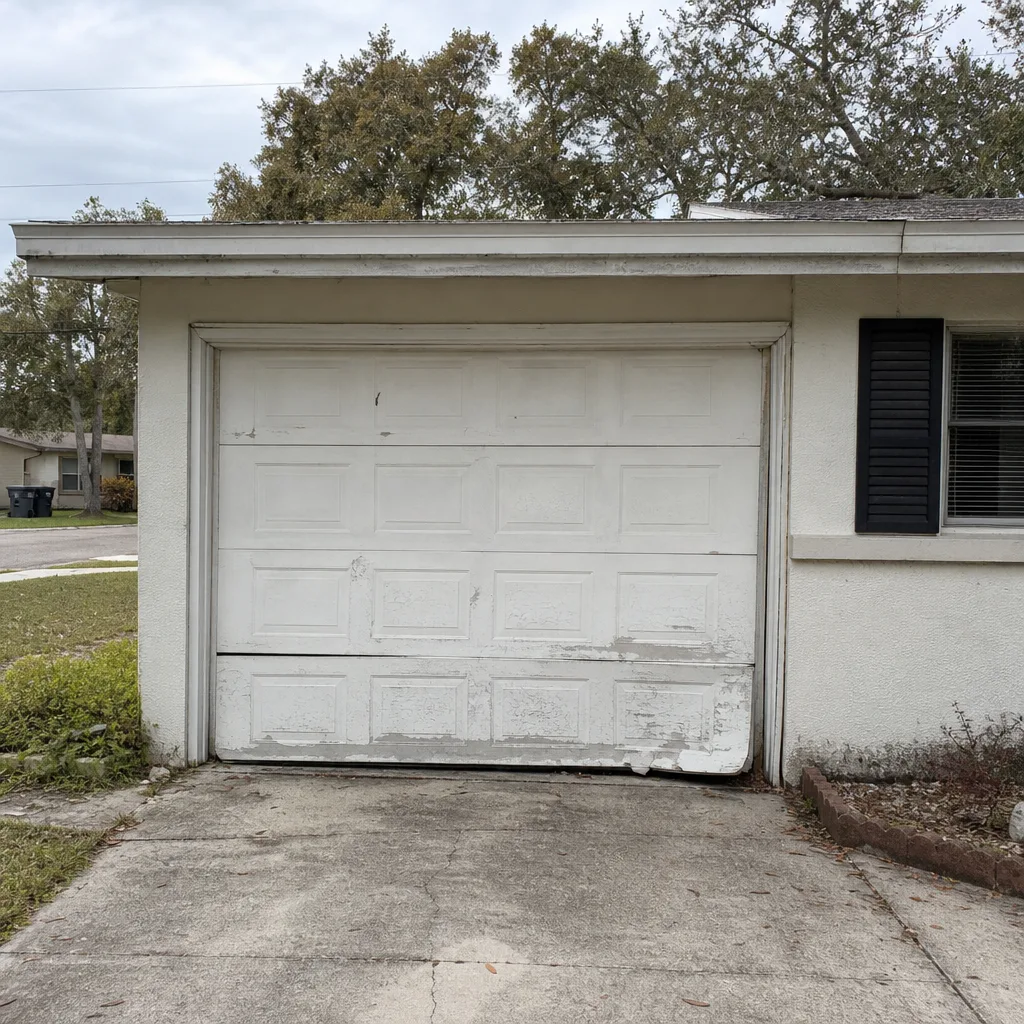 Before
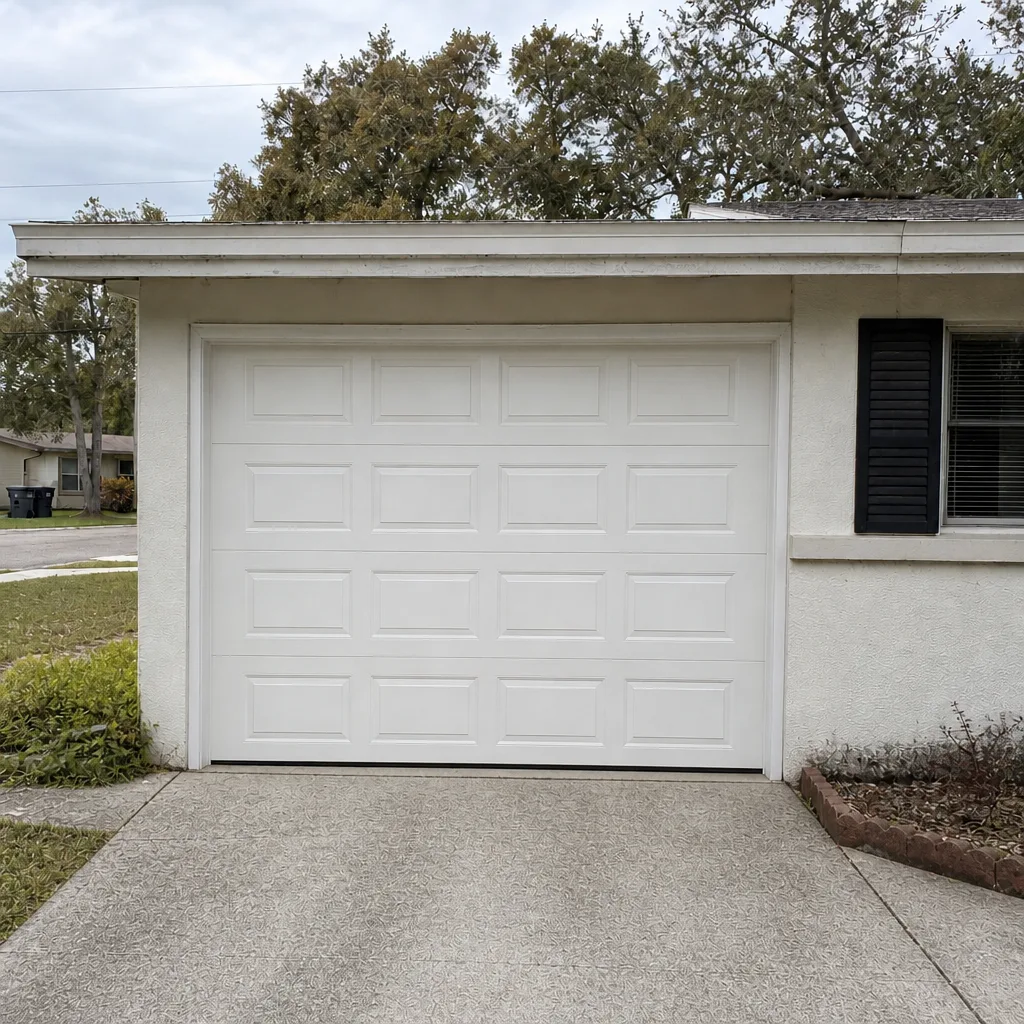 After
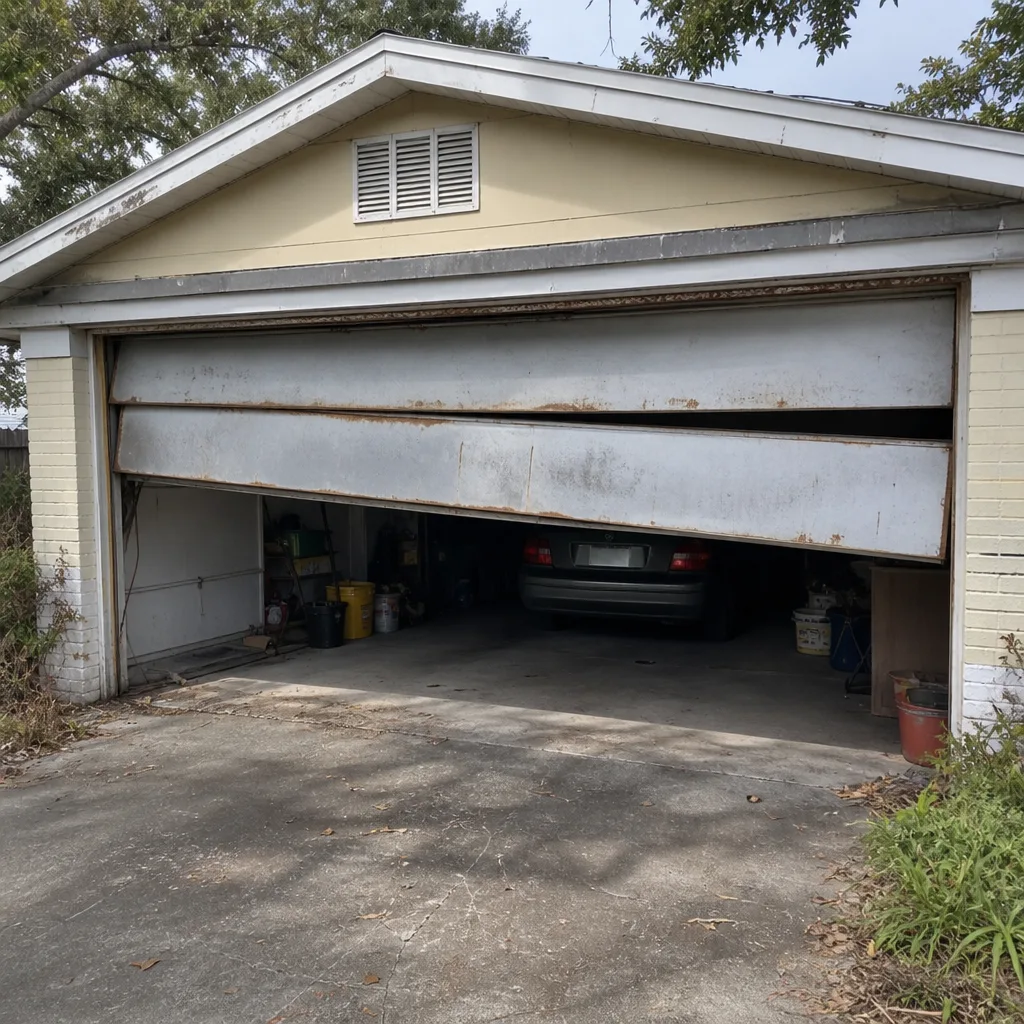 Before
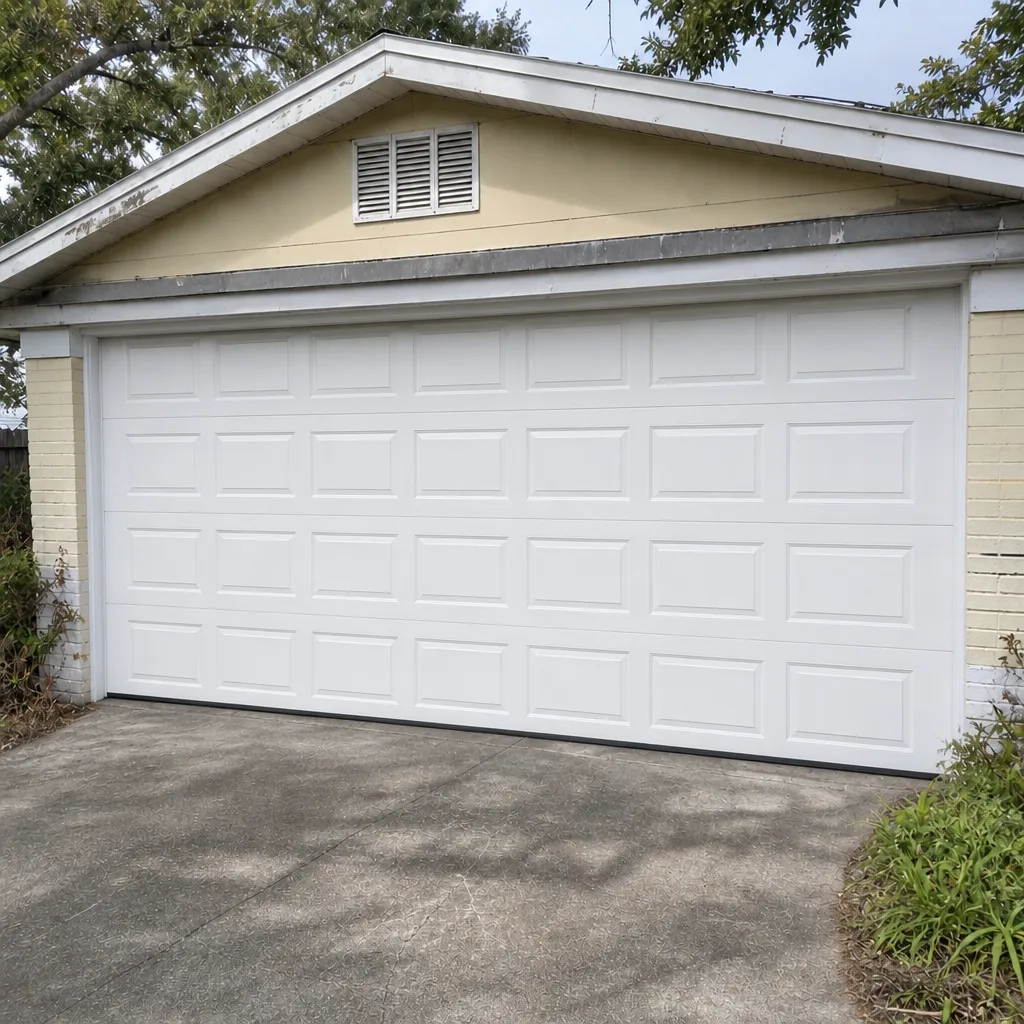 After
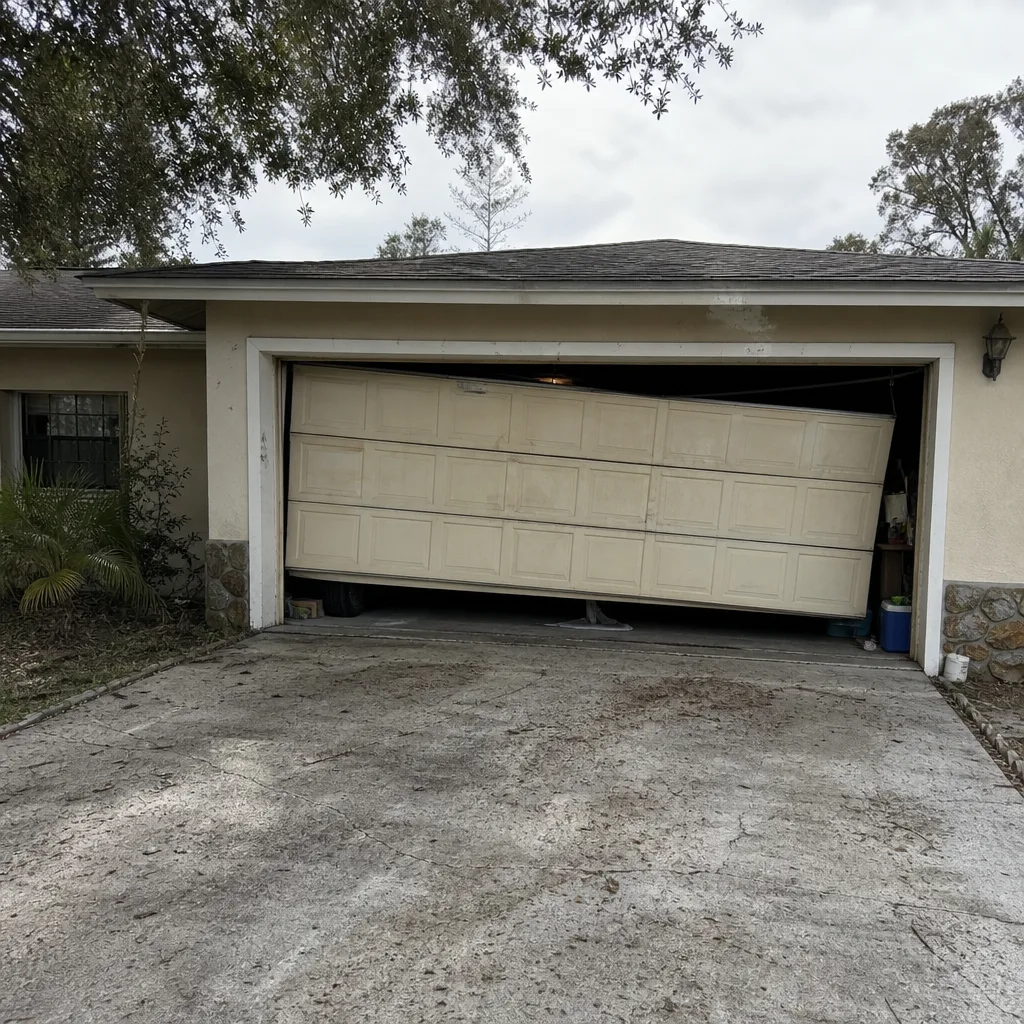 Before
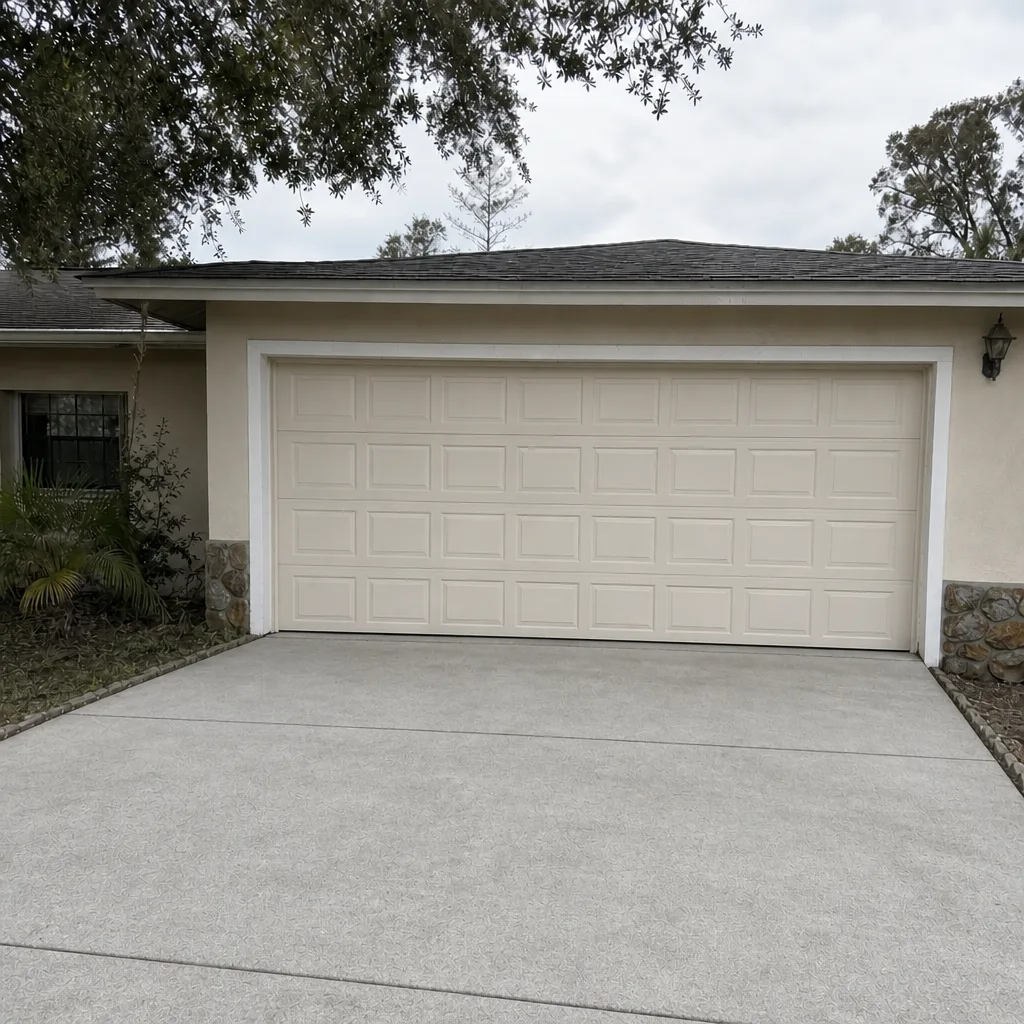 After
When to Call a Professional
Call a professional any time the fix involves springs, cables, bottom brackets, track alignment, panel replacement, or evaluating whether a door meets its rated wind-load assembly. Call a professional if the door is off-track, stuck partially open, or won’t close. Call a professional if you’ve already tried a DIY repair and the door still doesn’t sit correctly. Call a professional if the door is older and you don’t know its service history, because that’s when the dangerous failure modes appear. And call a professional if the door has ever needed a significant force-limit adjustment, since that usually means the underlying balance problem was never fixed.
The work we recommend for DIY – lubrication, sensors, remote reprogramming – saves you real time and stays within the tasks you can safely do yourself. Everything else belongs to a trained technician, and that’s not a sales pitch, it’s the honest line the trade draws. Garage Door Repair Shore Acres offers free estimates in Shore Acres. Call (866) 854-5034. We answer 24/7. Fast dispatch from 7am to 7pm, Sunday through Friday.
Frequently Asked Questions
No, in most Shore Acres cases it isn’t – not once you add the risk. A single torsion spring replacement typically costs $180-$340 professionally, and a matched pair costs roughly double. DIY parts can look cheaper, but you still need the correct winding bars, the correct spring weight for your door, and the skill to counterbalance the door safely. The injury risk and the warranty risk usually make professional repair the lower-cost path. Call (866) 854-5034 for an exact quote – estimates are free.
In most cases, no – at least not without a permit and a rated installation. In Florida, garage doors in wind-borne debris regions are a rated structural component, and replacement typically requires a permit and an installation that meets the wind-load rating for the location. The specific requirements and any product approval documentation vary between jurisdictions, so confirm with the city’s building department or your local permitting authority before any replacement work. For permitted replacement, we recommend a licensed local professional.
It often will, yes. Most major opener manufacturers – LiftMaster, Chamberlain, Genie, and Craftsman included – have warranty terms that void coverage if the unit is modified outside the manufacturer’s specifications or repaired by an unqualified party. The most common way this happens is a force-limit adjustment to compensate for a weakening spring. That masks the real problem, strains the opener’s gear and motor, and puts the warranty claim at risk. If your opener is under warranty, have it serviced by a brand-familiar technician.
Lubricating hinges and rollers, cleaning and re-aligning the photo-eye sensors, reprogramming remotes and keypads, and replacing remote batteries are all safe with the power off. Tightening the visible hinge and bracket bolts with the door closed is also safe. Anything that involves tension in the springs, cables, torsion tube, or the structural track alignment is not, and Florida permitting rules make some of that work legally not eligible for DIY at all. When in doubt, call first – it’s cheaper than a second repair.
A door stuck partially open or a door that won’t close is a same-day emergency, because the house is left exposed. A visibly broken spring, a frayed cable, or a door hanging off one track is also a same-day call – stop using the door and call us. For doors that are merely noisy or slow, a routine appointment is usually fine. Call (866) 854-5034 if you’re not sure which category you’re in. We answer 24/7. A call outside dispatch hours is booked into the next opening, Sunday through Friday, 7am to 7pm.
Yes, in most Shore Acres homes. Our technicians are factory-familiar with eight major brands including LiftMaster, Chamberlain, Genie, Clopay, Amarr, Wayne Dalton, Craftsman, and Raynor, which means we diagnose brand-specific issues rather than applying a generic fix. Bring us the make and model if you have it. If the door has been misbehaving after a DIY attempt, that’s one of the most common service calls we handle. Call (866) 854-5034 to book a free estimate.
The Bottom Line
The DIY-versus-professional question for Shore Acres homeowners comes down to consequence, not competence. Lubricating, sensor work, and remote programming are genuinely DIY-friendly and worth doing yourself. Springs, cables, bottom brackets, track alignment, panel replacement, and opener installations are not – not because you couldn’t learn the procedure, but because the tension, the warranty terms, and the Florida permitting rules make a professional repair the safer and usually cheaper path. In a wind-load zone, “close enough” is a liability. If the repair touches tension or structure, call a specialist from Garage Door Repair Shore Acres. Springs, openers, panels, full doors – one call covers it all, diagnosed correctly the first time.
Call (866) 854-5034 for a free estimate. We answer 24/7. Fast dispatch from 7am to 7pm, Sunday through Friday. The price is quoted and agreed before any work starts, so you’ll know the cost before a wrench is lifted.
Written by the team at Garage Door Repair Shore Acres.